Discover how to earn points on Shein


Shein Points are the platform’s loyalty currency, earned from purchases and site activity. They act like store credit. You can use them at checkout to lower order costs.
Point usage and eligibility rules decide which products accept points. They also affect how much value you get for your points.
This section shows how points appear in your account. It explains the basic way to redeem points. It also covers common product eligibility limits.
There are differences between Marketplace listings and official Shein store items. This section includes easy tracking tips for expiry and account activity.
The goal is practical. It helps mobile-first shoppers on Instagram and TikTok make smart choices without big promises.
Readers will learn where to use points. They will understand what counts as valid points and typical restrictions. It also offers quick ways to get the most value.
Key Takeaways
- Shein Points work like store credit earned from orders and some activities.
- Points show in your account and convert at a rate set by Shein policies.
- Using points depends on product eligibility and rules at checkout.
- Marketplace items may have different eligibility rules than official store items.
- Track expiry and account activity to avoid losing points before big purchases.
Understanding Shein Points and How They Work
Shein Points are a loyalty currency inside the Shein app. They reward shoppers for engagement and qualifying purchases.
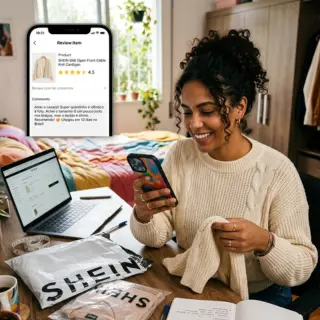

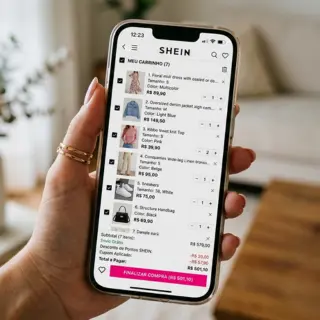
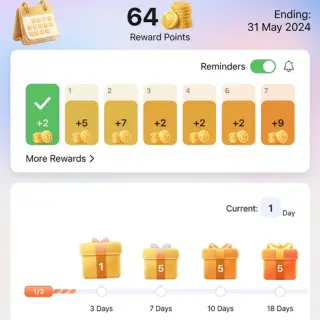
This primer explains how users earn Shein Points. It covers which activities count as point sources. It also highlights account activity and expiration rules.
What Shein Points are and how you earn them
Shein Points act like credits in a wallet on your Shein account.
You earn points by placing paid orders, leaving product reviews, completing profile tasks, and joining app events.
Points from purchases post after the order reaches completed status. Review rewards may require photo uploads or verification first.
Different types of rewards and point sources
- Order-based rewards: fixed or percentage points tied to qualifying purchases.
- Review-based rewards: points for product reviews or photos; quality checks may apply.
- Promotion-based rewards: temporary campaigns, sign-up bonuses, and app-only events.
- Referral and activity bonuses: occasional boosts during special campaigns or challenges.
Point expiration and account activity rules
Points often expire after a set time from when they were earned.
Check the points history in the app to see exact expiry dates.
Extended inactivity can affect point validity. Dormant accounts risk losing points under platform rules.
Returned or refunded orders can remove previously earned points for those transactions.
You will be redirected to another website.
Practical tip: Always check the posting window for earned points. Monitor your account notifications to avoid surprises.
Eligibility Requirements for Earning and Using Points
Before using rewards, do some simple checks to avoid surprises at checkout. Read app messages and product pages. Confirm how points work for each order.
Account verification and regional availability
Points link to a verified account. Completing email or phone verification and a fuller profile unlocks more features and steady point earning.
Programs differ by account type or app version. Check settings if features seem missing. Regional availability affects rewards and redemption options in the app.
Minimum purchase and product eligibility rules
Redeeming points usually needs a minimum purchase at checkout. The app shows this minimum before you apply points.
Some products can’t use points. Promotional items, clearance, third-party listings, bundles, and gift cards often have special eligibility rules.
Restrictions for returns, cancellations, and refunded orders
Points earned from returned or refunded orders may be removed. Using points on canceled orders can change refunds and your point balance.
Disputes with sellers or platforms can change point allocations. Keep order records and receipts to track changes. This helps to confirm shopping rules in your case.
- Check product pages and checkout prompts for eligibility before applying points.
- Verify account settings to enable full point earning and redemption features.
- Save receipts to resolve any adjustments after returns or disputes.
Where You Can Use Shein Points on the Shein Platform
Shein points make checkout easier by lowering totals and offering more shopping flexibility. This section explains common uses for points.
It also covers what items accept points and how to combine them with other discounts for better savings.
Applying points at checkout for discounts
Points are redeemed during payment or in the order summary step. The app shows your point balance. It also shows how much dollar value you can cover.
You choose how many points to use within set limits. The discount updates in real time as you adjust points.
Rules to expect
- Some orders limit point usage as a percentage of the total price.
- The checkout preview helps you compare final totals before paying.
Using points for specific product categories and exclusions
Points apply to most standard apparel and accessories on the site. Check each product page to see if points are allowed.
- Excluded items often include clearance pieces, gift cards, and some branded collaborations.
- If points can’t be used, the checkout will notify you.
Combining points with coupons, promo codes, and flash sales
Stacking points with coupons sometimes works but sometimes does not. The rules vary by promotion.
- Try applying coupons or promo codes first. Then use points to check the true total.
- During flash sales, the platform may restrict stacking or limit point use.
- Use the app’s checkout preview to confirm savings from points plus other discounts.
Following these steps helps users maximize savings and avoid surprises at checkout. Checking product eligibility and promo rules makes orders clearer and fairer.
Marketplace vs Shein Official Store: Point Usage Differences
Understanding the difference between official store listings and marketplace items helps with points. Readers should check the seller label before adding items to the cart.
This confirms if points apply to the product. It saves time and prevents issues during checkout.
What counts as a marketplace item?
- Marketplace items are sold by third-party sellers on the platform. They may use external fulfillment or return methods.
- Official store listings are stocked and shipped directly by Shein. They usually follow standard reward rules.
How eligibility varies by seller
- Official store products usually qualify for earning and redeeming points under the platform’s default policy.
- Third-party sellers can decide if they join the points program. Some listings may opt out or limit redemptions.
- The checkout and product detail pages state if point usage is allowed for that SKU.
Common Marketplace exclusions to watch
- Branded or licensed merchandise sold by external sellers often is excluded from rewards programs.
- Limited-edition collaborations and certain accessories may have special promotion terms that block points.
- Items fulfilled through partner storefronts or external warehouses may not allow earning or redeeming points.
Practical tip: always check the seller label and the points eligibility note on the product page.
This step helps avoid surprises at checkout when comparing Marketplace vs Shein options for points.
Using Points for Bundles, Sales, and Special Promotions
Shein points can help stretch a budget during big events, but rules vary by promotion. Read product pages and checkout notices. This way, you know if points apply and how much you will save.
Rules for point application during site-wide sales and events
- 1. Some sales allow points plus sale prices; others block points on heavily discounted items.
- 2. App messages or checkout alerts will state event-specific limits on point use.
- 3. Watch for shipping or bundle rules that affect whether points are accepted.
Bundle deals, multi-buy savings, and point applicability
- 1. Bundles may act like one SKU with standard point rules or be promotional sets that exclude points.
- 2. Multi-buy discounts can change point value when points reduce the final price.
- 3. Always check the product page and verify at checkout before ordering.
How limited-time promotions can affect point value
- 1. Flash deals and coupons can save more than points, so compare totals before using points.
- 2. Some campaigns boost earnings or improve redemption rates, increasing point value.
- 3. Use points when they give meaningful discounts. Save coupons for items that exclude points.
Managing Your Points: Tips to Maximize Value
Smart habits stretch rewards and make every checkout feel sharper. Simple moves help save more and avoid wasted points.
These tips keep you in control of your points without stress.
Strategies to combine points with discounts for best savings
- Stack points with valid coupons when allowed to boost total savings.
- Use points on full-price or lightly discounted items where points give better value.
- Always compare final totals with and without points to pick the cheaper option.
Tracking expiry dates and conserving points for big purchases
- Check the points wallet regularly to avoid surprises and track expiry dates.
- Hold points for larger buys or seasonal items where discounts feel more meaningful.
- Prioritize redemptions when points cover a good part of the cost before expiring.
Account settings, notifications, and redemption history review
- Turn on app notifications for earning events, expiry warnings, and promos affecting points.
- Review redemption history in account settings to confirm past uses and find mismatches.
- Save order confirmations and point transaction records to help resolve any disputes.
Quick action checklist
- Check your wallet at least once a week.
- Use coupons plus points when the system allows combining discounts.
- Hold points for higher-value orders if expiry timing makes it possible.
Using Shein Points Beyond the App: Cross-platform and Third-party Considerations
Shein points act differently when you switch devices or buy from unofficial sellers. This guide shows where point use may vary. It also explains what to do before checkout.
Point redemption differences
- App vs desktop matters: the mobile app offers exclusive point bonuses and faster redemption. Desktop shows other deals and may lack app-only options.
- Always preview checkout on the platform you will use to pay. Confirm points apply the way you expect.
- If a promo shows on one platform but not another, compare order summaries before paying.
Third-party marketplaces and limits
- Third-party marketplaces have seller rules. Points may not work on some marketplace listings.
- Cross-border transactions can change which loyalty features are valid on the platform.
- Check seller profiles and product terms to avoid surprises about points or limits.
Gift cards, returns, and special orders
- Points often cannot buy gift cards. Check payment options during checkout to be sure.
- Returns or exchanges with points can change refunds. Points may be restored or lost.
- Non-standard orders like pre-orders or bulk buys have different point rules. Read terms carefully.
When unsure, save a screenshot of your order summary. Contact platform support with details. This helps fix issues with point use across platforms and marketplaces. It also explains how gift cards and returns affect your points balance.
Conclusion
Shein Points are a flexible loyalty tool that helps shoppers save money when used smartly. Understand how points are earned and check posting timelines. Confirm point eligibility before you plan your redemptions.
Always verify product rules and the differences between Marketplace and Shein to avoid surprises at checkout. Watch expiry dates closely. When allowed, stack coupons with points to get more value on key purchases.
Use the app wallet and checkout previews to confirm your savings. Follow shopping rules for each order. These simple checks make it easy to get the most from Shein Points while keeping expectations realistic.
Content created with the help of Artificial Intelligence.