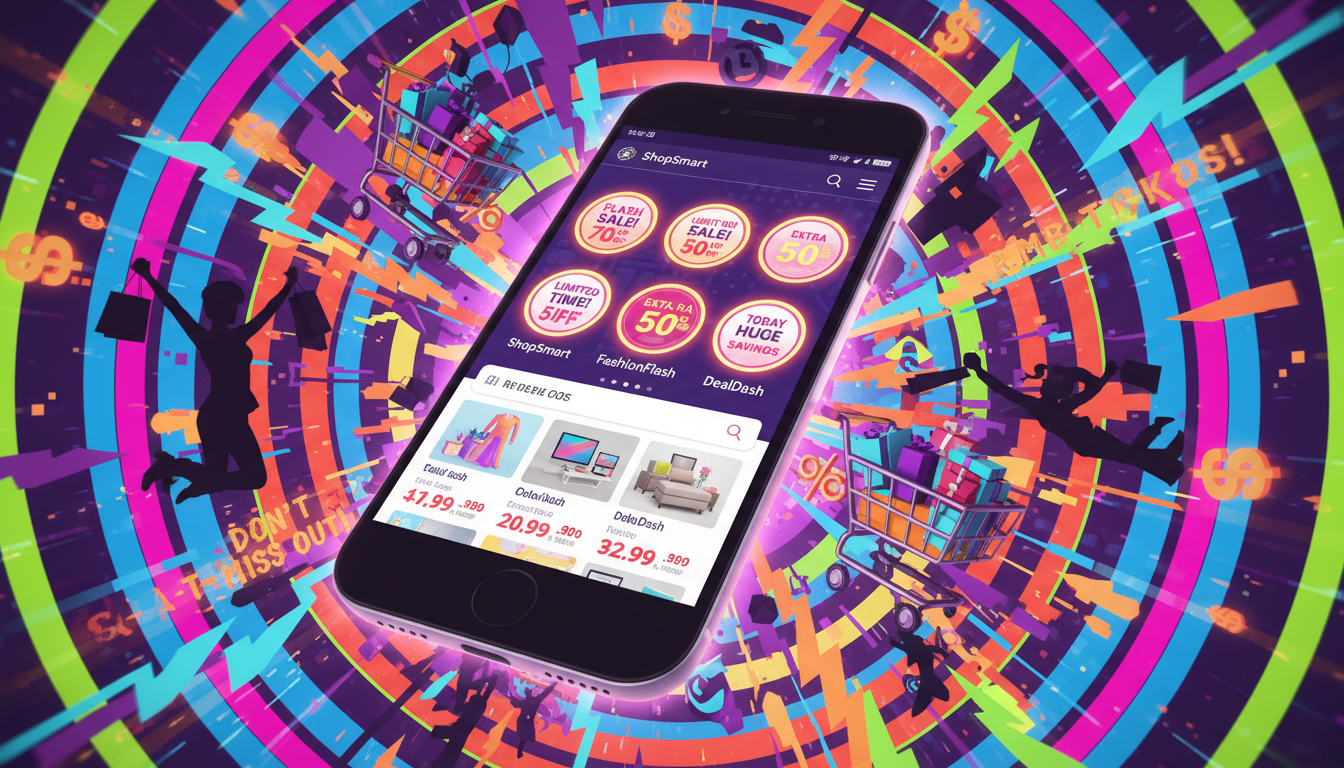
A flash sale in shopping apps is a short discount event. It offers steep price cuts on selected items. These sales create urgency and prompt quick purchases.
They usually have limited inventory and run for a short time. The goal is to encourage fast buying decisions from shoppers.
Ads
Formats vary: hourly deals, daily drops, mystery boxes, and lightning offers. Many use countdown timers to show how much time is left.
Apps may include special coupon codes or bundle discounts to highlight online deals. These extras make the sales more attractive to buyers.
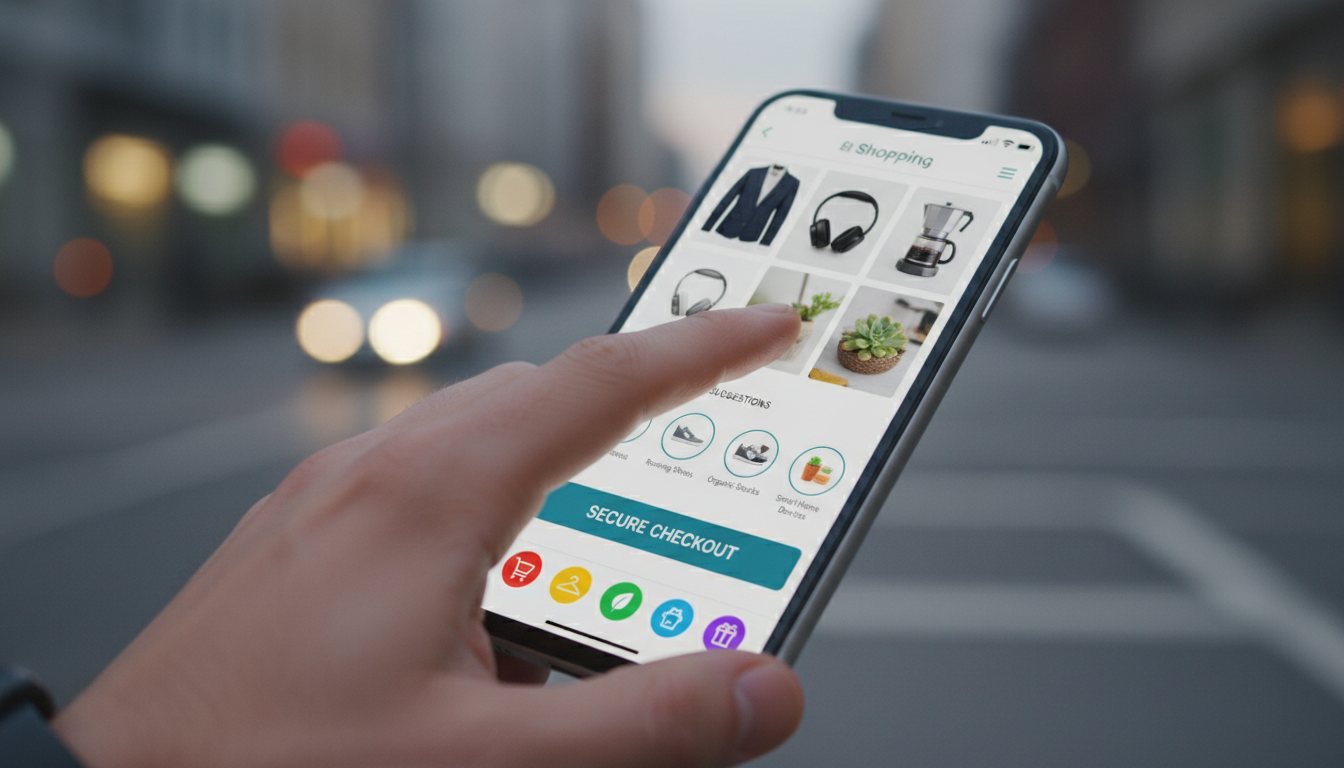
Mobile-first shoppers enjoy fast browsing and visible countdowns. The apps also feature one-tap checkout to make buying easy.
This design helps grab bargains on small screens. It clearly shows how long the offers will last.
Keep practical expectations: flash sales reward quick action but don’t guarantee stock. If you want an item, set alerts or be ready to act fast.
Key Takeaways
- Flash sales are short, timed events with steep discounts.
- Common formats include hourly drops, mystery boxes, and lightning deals.
- Mobile-first design emphasizes quick browsing and one-tap checkout.
- Limited inventory means availability can change fast.
- Set alerts or prepare your cart to improve your chances of getting a deal.
What Is Flash Sale in Shopping Apps
Flash sales in shopping apps are short events with big discounts and limited stock. They run for a set amount of time. Shoppers see clear timers, original prices, and limited quantities.
This setup encourages quick buying and higher sales rates.
Definition and core concept
A flash sale is a short promotion inside an app. It offers steep discounts on select items. Visible countdowns and fixed quantities create urgency.
The goal is to sell inventory fast. It also rewards shoppers who act quickly.
How flash sales differ from regular sales and promotions
The main difference is time. Flash sales last hours or one day, not weeks like seasonal sales.
Rules on inventory are stricter, usually first-come, first-served. They have higher visibility with push notifications, banners, and timers to boost traffic.
Pricing in flash sales is often deeper than normal discounts. But these prices may not always show long-term value. Shoppers should compare to regular prices before buying.
Common product categories featured in flash sales
- Fashion pieces: dresses, shoes, and accessories that sell fast due to trends and sizes.
- Beauty and skincare: makeup sets and serums that attract repeat buyers.
- Electronics accessories: earbuds, phone cases, and chargers sold in quick drops.
- Home decor and small goods: trending items and low-cost decor to clear stock.
Apps vary—some focus on trendy fashion, others act as clearance sales. Check return policies and product details to see if the deals fit your needs.
How Flash Sales Work on Popular Shopping Apps
Flash sales on shopping apps combine short timing, tight inventory, and visible timers for fast online deals. Shoppers see clear prompts to make quicker choices. Retailers use these events to boost engagement and test demand without long campaigns.
Typical timing, inventory, and countdown mechanics
Timing can be fixed, like daily drops at set hours, or surprise windows lasting from ten minutes to a day. Apps use limited runs to keep attention high and browsing simple.
Inventory often shows remaining counts or a sold-out flag when limits are reached. This helps users decide faster and keeps expectations clear.
Visible countdowns appear on product pages and category tiles. Clear timers reduce friction and push faster checkout during flash sale events.
Notification systems and in-app banners
Push notifications announce new drops and send reminders as items sell out. Users must opt in, so enabling alerts for favorite brands is smart.
In-app banners and home tiles place collections front and center. This drives clicks from casual browsing to the sale page without extra steps.
Brands also use email and social posts on Instagram-style and TikTok-style feeds. They pull audiences into the app for shopping promotions.
Examples from major U.S. shopping apps
Large marketplaces run lightning deals and daily sections with fixed windows and set quantities. These formats manage scale and urgency well.
Fashion apps schedule curated drops tied to trends and influencer collabs. These sales use style timing to create buzz among mobile shoppers.
Electronics retailers host timed bundles and limited coupon offers to clear seasonal stock. Shoppers find targeted discounts and bundles like tailored deals.
- Tip 1: Turn on notifications only for must-see brands.
- Tip 2: Learn app schedules to catch repeat drops.
- Tip 3: Use in-app banners as a shortcut to collections you like.
Benefits of Flash Sales for Shoppers and Retailers
Flash sales offer quick value for shoppers and a clear strategy for retailers. Short timeframes and steep prices make these events popular. They help shoppers find deals on shopping apps.
Retailers get bursts of traffic and clear inventory fast. This happens with little long-term price harm.
How shoppers save money with limited-time offers
Buyers can get big discounts on seasonal or extra items. These deals often beat regular sales and markdowns.
Bundles and app-only coupons can combine with flash pricing. This lowers the final cost even more.
Making quick choices pays off when trendy items drop below market price. Shoppers who compare fast find true bargains.
How retailers use flash sale events to boost traffic and clear stock
- Traffic spike: Limited-time offers drive immediate app visits and boost session times.
- Inventory management: Flash sales help clear seasonal items or slow-moving SKUs without extended markdowns.
- Customer acquisition: Bargain hunters drawn by shopping app bargains often convert into repeat customers after a good experience.
Psychological triggers: urgency and scarcity
Timers and low-stock alerts create urgency that pushes shoppers to decide faster. Limited quantity adds value and prompts action.
Ethical note: These tactics are effective but need honesty. Shoppers should still check fit, quality, and return rules before buying.
How to Find and Maximize Flash Sale Deals
Flash sales offer fast rewards when you know where to look and how to act. Use simple app tools. A little prep helps catch the best shopping app promotions and online deals without stress.
Setting alerts, following brands, and using app features
- Follow favorite brands inside apps like Zara or Nordstrom. Enable push notifications to learn about flash events the moment they start.
- Subscribe to in-app newsletters or follow product categories. This helps you see targeted shopping promotions for new drops and limited runs.
- Use wishlist or save-for-later functions so items are ready to move to checkout quickly when a sale appears.
Timing strategies and cart preparation
- Keep payment methods and shipping addresses updated for quick checkout and fewer delays during the sale.
- Pre-add likely purchases to your cart or wishlist before the sale to save seconds during checkout.
- Shop early in the sale for the best sizes and colors. Then check mid-sale for restocks or extra drops.
Comparing discounts to ensure genuine bargains
- Check recent price history or compare the item across apps to confirm it’s a real markdown.
- Watch for inflated reference prices by looking at similar offerings from trusted brands to verify the deal.
- Include shipping and return costs when calculating savings so you see the true value of a bargain.
Quick practical checklist
- Enable notifications for favorite brands and categories to stay updated on deals.
- Keep payment and shipping info ready on the app for faster checkout.
- Compare prices quickly using multiple sources to find reliable online shopping deals.
- Use wishlists and cart prep to secure shopping app bargains in seconds.
Risks and Downsides of Flash Sales on Shopping Apps
Flash sales can feel exciting, but they have real risks. Shoppers should think before buying. This helps avoid common traps tied to limited-time offers and fast checkouts.
Potential for impulse purchases and buyer’s remorse
Urgency cues and countdowns push users to decide quickly. This can lead to impulse buys that don’t fit personal style or sizing needs.
Mobile checkouts make buying faster but increase the chance of missing checks on size, fabric, or care instructions.
Tip: pause for one minute to read the return policy and check fit before confirming to reduce buyer’s regret.
Limited return windows, restocking, and warranty issues
Some flash-sale items are final sale or have shorter return periods. Read policy details before finishing your order.
Restocking fees and limited warranty coverage can reduce savings. Check warranty steps for electronics and high-value items before buying.
Spotting misleading discounts and fine print
Some sellers inflate original prices to make discounts seem bigger. Cross-shop or check price history to find real savings.
Watch for exclusions like promo codes that apply only to certain SKUs or third-party sellers with different rules. Read size charts, care labels, and shipping timelines carefully to avoid surprises.
- Keep screenshots of the offer and your order confirmation.
- Use buyer protections such as credit card disputes or the app’s resolution center.
- Do not share payment details outside the official app checkout flow.
Spotting misleading discounts needs a sharp eye. Being cautious with limited-time offers lowers flash sale risks and reduces buyer’s regret.
Conclusion
What Is Flash Sale in Shopping Apps is simple: short events with big discounts and strict time limits. These sales have limited stock and rely on urgency. They often show up as app promotions and banners to get attention.
Shoppers can get real savings on popular items, but smart habits are important. Set alerts and follow favorite brands. Keep payment info ready to act fast.
Pause before buying to compare discounts on apps. Check return policies to avoid buyer’s remorse.
Retailers use flash sales to clear inventory and create buzz. Treat these events as chances, not guarantees—discounts vary. Transparency is key.
This guide explains flash sales clearly. It helps mobile shoppers decide fast and confidently. Avoid falling for misleading promotions.
Content created with the help of Artificial Intelligence.