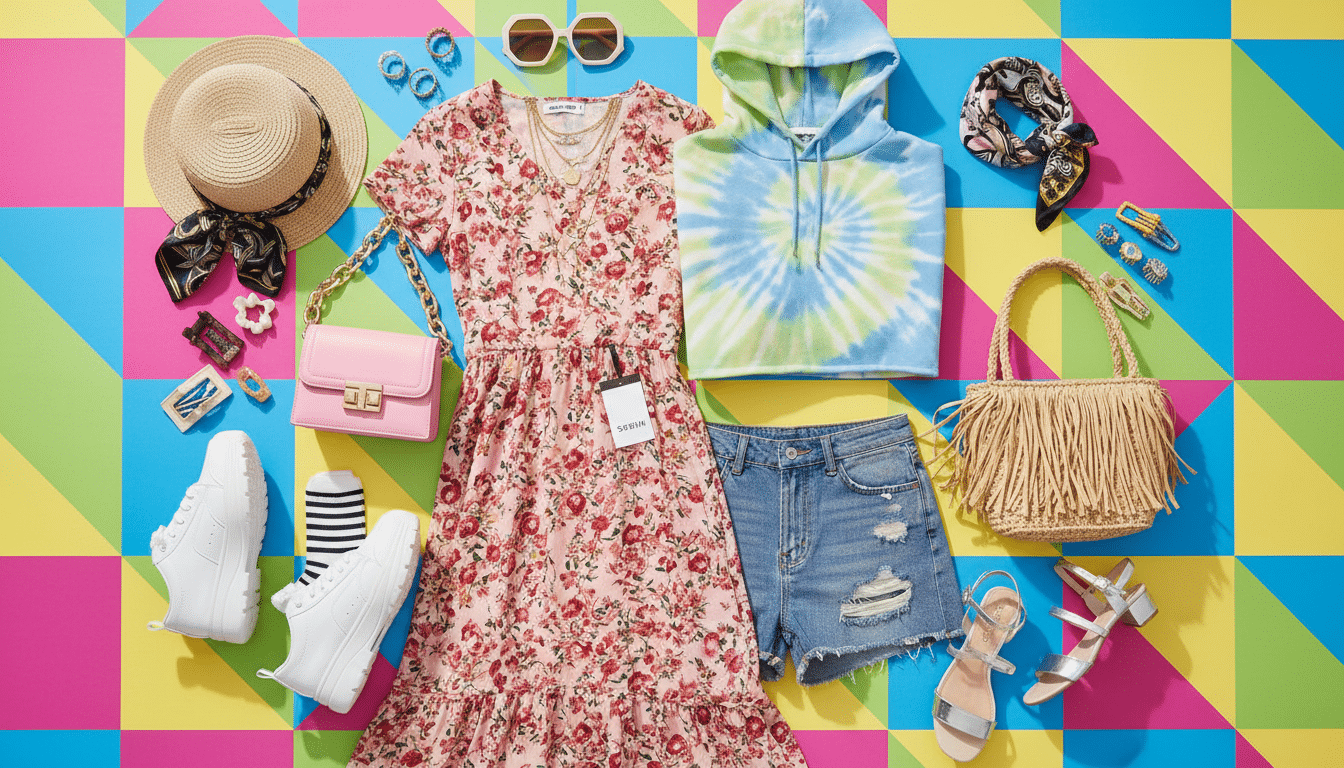
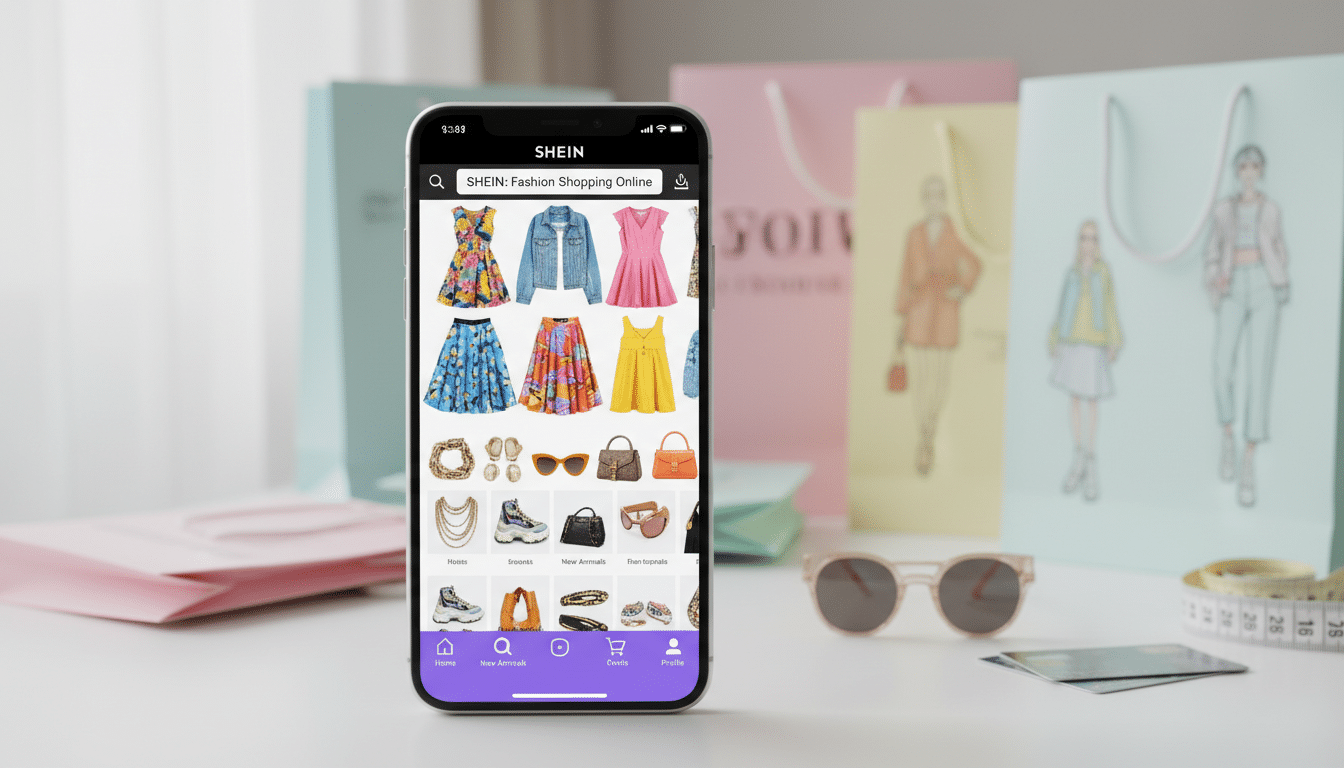
This SHEIN shopping guide helps U.S. shoppers understand what to expect from shein listings. It aims to help buyers make smarter purchases.
SHEIN is a global fast-fashion retailer and marketplace. It is known for very low prices and rapid style turnover. The site offers both in-house and third-party items.
Anúncios
This mix creates bargains but also calls for careful checking before buying.
The article reviews key parts of SHEIN product listings. It covers page structure, common listing elements, photography, and visual cues.
The guide also explains product descriptions and material notes, sizing and fit guidance, and pricing promotions. It discusses customer reviews, reliability signals, returns, and quality expectations.
Each section gives practical tips for shopping on the U.S. site or app.
By the end, readers will know how to interpret photos and measurements. They will learn to spot red flags in descriptions and reviews.
Shoppers will also know how to compare prices and shipping options for U.S. orders. The guide explains how to handle returns when items don’t meet SHEIN standards.
This guide focuses on the United States market. Tips reflect U.S. sizing, shipping rules, and consumer protections.
Key Takeaways
- Shein listings mix brand and marketplace items—check seller details and product origin.
- Use photos, measurement charts, and customer images to set realistic expectations.
- Read material and care sections carefully; vague fabric notes are a common red flag.
- Watch for frequent promotions, but compare base prices with competitors before assuming a deal.
- Keep records and photos for returns; U.S. shoppers should know SHEIN’s return window and fees.
Overview of shein listings and how they work
On SHEIN product pages, you will find a clear layout to help shoppers decide fast. The top area shows hero images and model shots. Then, there is a gallery mixing studio photos with user-uploaded images. A short title and description sit beside price information and the size selector.
Below the fold, the listing usually adds a size chart, material, and care details. There is also a longer description with specifics like measurements and filling. Tabs or links show shipping, return policy, and seller details. Customer reviews and photo reviews appear near the bottom to complete the listing.
How SHEIN structures its product pages
- Hero image and model gallery up top to show fit and styling.
- Price, sale badge, and size/color selectors near the product title.
- Specification block with measurements, fabric, and care instructions.
Common elements across listings (photos, price, variants)
- Multiple photos: studio shots, styled images, and shopper uploads.
- Visible price and discount percentages; SKU-like codes for items.
- Product variants SHEIN usually lists color and size options with inventory cues and estimated shipping.
Where listings are sourced from and marketplace model
SHEIN mixes its own production with a broad online marketplace model. Many items come from suppliers contracted by SHEIN. Others come from independent merchants selling through the platform.
This mix affects quality, size consistency, and listing completeness. In-house items have more uniform descriptions, and SHEIN handles returns directly. Marketplace listings may have information gaps and different seller policies. This can affect customer service and reliability signals.
Product photography and visual presentation
Clear images shape expectations before the first click. Good listings mix studio work with real-life shots.
Shoppers can then compare texture, color, and fit. Learning to read those pictures helps reduce surprises on arrival.
Studio shots versus model images
Studio shots focus on details like flat-lays, close-ups of seams, and lighting that highlights fabric and construction.
These images show what the brand wants you to notice about design and finish.
Model images display drape, scale, and movement on a person. Brands may use multiple model heights or sizes to help buyers judge fit.
Pay attention to styling tricks like tucking or layering that change how an item sits on the body.
Remember, studio lighting can alter color and texture. When studio and model images conflict, treat studio color as idealized.
Model shots better reflect how the item looks in real wear.
User-uploaded photos and their importance
Customer photos in reviews show how garments age and behave after washing and wearing.
User photos often reveal issues like sheerness, pilling, and stitching that polished photos hide.
Look for review images with buyers’ height and size chosen. These details help translate flat measurements into real fit.
Consistent patterns across user photos give higher confidence in what to expect.
How to evaluate photo quality for accurate expectations
Check many images and zoom to inspect hems, seams, closures, and fabric texture.
Compare studio colors to several user photos to find the true color and finish.
Search for consistent cues across images, like pattern alignment and seam quality.
Close-ups showing stretch, lining, or knit density are useful when evaluating product images.
- Prioritize recent user photos with clear lighting and natural poses.
- If user photos are few, treat the item as higher risk and consider sizing up or waiting for more reviews.
- Use image timestamps and review counts to focus on current, relevant pictures.
Product descriptions and material details
Product listings vary in depth. Many include a short headline and a sentence or two about style. They also have a specs block that lists composition, lining, fill, weight, and origin.
Expect some entries to be brief marketing copy. Others offer full measurements and fabric percentages. Pay attention to any listed care instructions. They often reveal how delicate the piece is.
Typical description length and information included
Descriptions run from one short paragraph to a detailed spec table. The specs table shows fiber percentages such as 65% polyester and 35% cotton. It also lists lining and fill types.
You may see country of origin and weight for coats and sweaters. Short listings may omit weave, yarn count, or exact fill ratios. These details help set realistic expectations for drape, warmth, and longevity.
How to interpret fabric, care instructions, and fill details
Know the common fibers: polyester resists wrinkles, cotton breathes well, and viscose can shrink in hot water. Fabric information in SHEIN entries with blends gives clues about comfort and durability.
Fill descriptions like “light padding” or “down-feel” often mean synthetic alternatives rather than natural down. Look for exact percentages or down/feather ratios when shopping outerwear.
Care instructions are practical signals. Labels that say hand wash only or dry clean recommended suggest delicate finishes or trims need gentle treatment. Follow these instructions to avoid shrinkage or fabric damage.
Red flags in vague or incomplete descriptions
Watch for missing fiber percentages or absent lining or fill info. Generic praise like “premium material” without specifics creates uncertainty about quality.
Be wary when care instructions are missing or when description and spec table conflict. Listings that omit origin or seller information raise risks of unpredictable sizing and fabric performance.
- Ask questions in the Q&A or check photo reviews when details are sparse.
- Avoid purchases for high-value items if key material details SHEIN does not provide.
- Use fabric information SHEIN and care instructions as decision points for long-term wear.
Size guides, fit information, and measuring tips
Getting the right size on SHEIN starts with the product page. Look past the S/M/L label and read the numeric chart. Many shoppers rely on the SHEIN size guide and customer photos to see how pieces look on real bodies.
Use those notes with the listed measurements to pick a size that fits your needs.
Understanding international sizing and conversions
SHEIN blends Asian cuts with US and EU labels, so international sizing conversions can be misleading. Check whether the chart uses centimeters or inches. Swimwear and bodysuits often run smaller than outerwear.
When in doubt, compare your measurements to the garment’s flat measurements rather than the nominal size.
Using measurement charts and customer fit reports
Measure bust, waist, hips, and length with a soft tape. Record both inches and centimeters to match the product chart. Customer fit reports are useful.
Scan reviews for people with similar height and weight and note their comments about tightness or length.
How to pick the best size based on product type
For fitted styles such as dresses and swimsuits, prioritize exact measurements. Consider sizing up if you fall between sizes. For coats and jackets, allow room for layers and focus on chest and sleeve length.
For pants and skirts, match waist and hip numbers and check rise and inseam. Mind the fabric: knits stretch, so a snug number can feel comfortable. Non-stretch woven items need extra room for movement.
Look at the model’s height and the size they wear to set your expectations when using SHEIN sizing references and measuring tips.
Pricing, discounts, and shipping expectations
Shopping on SHEIN often seems cheaper at first glance. Low prices, frequent promotions, and a broad assortment make filling a cart easy. Remember, the true cost includes shipping, duties, and return fees.
Comparing SHEIN prices with brands like Zara and H&M shows notable differences for similar styles. This happens partly because SHEIN uses high-volume production and lean supply chains.
How prices compare to fast-fashion competitors
Many items at SHEIN cost less than at Zara or H&M. This gap narrows when you add shipping or expedited delivery fees. Bulk buys and seasonal overstock can lower prices further.
Value-focused shoppers should check unit prices and material details. This helps decide if the lower price still meets quality expectations.
Common sale tactics: flash deals, coupons, and bundle pricing
SHEIN uses tactics to create urgency and boost sales. Flash deals often have countdown timers and low-stock alerts to prompt quick buying. Coupon codes, first-time buyer discounts, app-only offers, and bundle pricing like buy-two-get-one deals are common.
Watching timed promotions can unlock steep SHEIN discounts on trending items.
Shipping times, costs, and tracking information for the US
SHEIN shipping options in the US vary by speed and cost. Standard shipping usually takes 7 to 21 business days. Express options deliver faster but cost more.
Tracking numbers are provided so customers can follow their orders. This helps adjust expectations if delivery dates change.
Free shipping thresholds and promotional offers often appear at checkout. Some orders include duties and import taxes upfront; others show them separately. Review final checkout details carefully to avoid surprises.
Customer reviews, ratings, and reliability signals
Good shopping decisions start by looking at patterns in feedback. Read a mix of comments carefully. Look for repeated notes about fit, fabric, and durability.
High-volume SHEIN reviews with varied star ratings paint a clearer picture. Listings with only five-star praise can be misleading.
Interpreting review patterns and photo reviews
Spot recurring themes like “runs small” or “material is sheer.”
Focus on reviews that include measurements, reviewer’s height, usual size, and clear images. Photo reviews that SHEIN users upload are very useful. They often show the item before and after washing, giving strong context on what to expect.
Spotting helpful vs. suspicious reviews
- Helpful reviews contain body measurements, fit details, care notes, and dated photos showing wear over time.
- Suspicious reviews have short, overly glowing comments with no details. They may use repeated phrasing across accounts or many posts in a few days.
- Check for verified purchase badges and look at reviewer history when available.
Using ratings and seller metrics to judge reliability
Use SHEIN ratings as a starting point. Compare overall stars with the number of reviews to avoid being misled.
For marketplace items, examine seller scores, shipping performance, and dispute records closely. New sellers or listings without review history carry more risk.
When possible, choose higher-rated sellers and SHEIN-branded items for steadier customer service. Watch for seller-specific return notes and guarantees before buying. This reduces uncertainty and increases chances of a satisfying purchase.
Returns, refunds, and quality control expectations
Buying from an international fast-fashion site means knowing how returns and refunds work. US shoppers should learn timelines, claim steps, and what to expect when items arrive damaged or wrong.
SHEIN’s returns policy and practical tips for US customers
Most orders can be returned within about 30 days. Some items like lingerie or final-sale goods may not qualify. To start a return, use the SHEIN app or website and print a label or select a drop-off option.
Keep the original packaging until the refund appears. Many US orders require paying return shipping unless a promotion or error covers it. After scanning, SHEIN usually refunds to the original payment method within the set period.
Documenting issues and communicating with customer service
If an item is damaged or wrong, take clear photos and short videos immediately. Save timestamps, messages, and order numbers for reference.
Use in-app messaging or the website claim form to attach evidence. Explain if you want a refund or replacement. Seller replies may vary; escalate to SHEIN support if you do not get a response. For ongoing disputes, keep payment method details for possible chargebacks.
What to expect for quality variability and repair options
SHEIN’s quality control varies by supplier and price. Common problems include loose threads, uneven seams, color transfer, and poor fit. Sometimes repairs cost less than returning low-cost items.
Compare repair cost, shipping, and time. A quick tailor or fabric glue can work well for cheap items. For expensive purchases with defects, request full refunds or replacements and keep all proof.
Conclusion
This shein listings summary highlights the balance of value and caution shoppers should keep in mind. SHEIN offers very low prices and a vast selection. Accurate expectations depend on checking photos, reading detailed descriptions, and comparing measurements.
Use measurement charts and photo reviews to reduce surprises and make better choices. For practical shopping SHEIN tips, factor in shipping fees and return costs for U.S. orders. Expect quality to vary by supplier.
Document any issues with photos and timestamps for smoother returns. Rely on seller ratings and review depth as reliability signals. Favor listings with multiple customer photos and clear fabric details.
Use this SHEIN buying guide US as a quick reference when evaluating future purchases. Bookmark it and check back for updates as SHEIN’s policies change. Thoughtful review of listings will help you get the most value while avoiding common pitfalls.
Content created with the help of Artificial Intelligence.