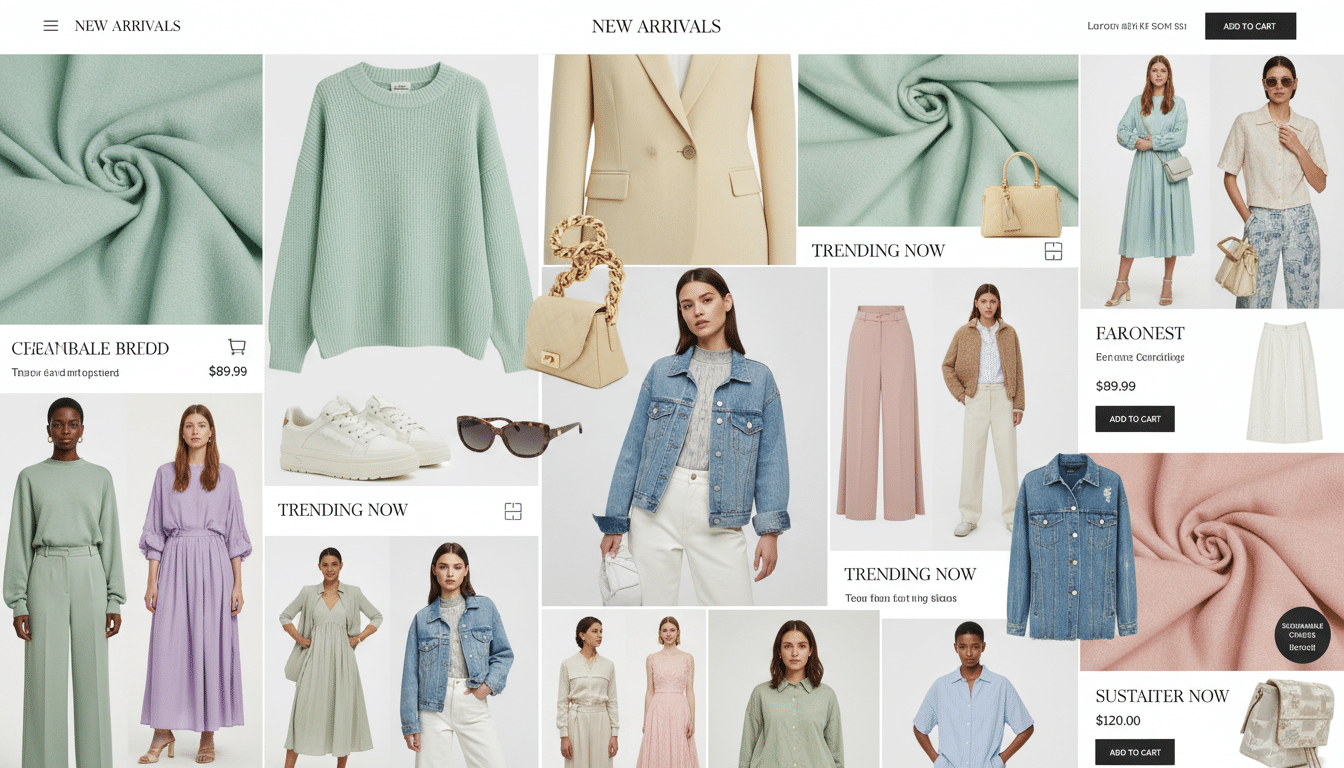
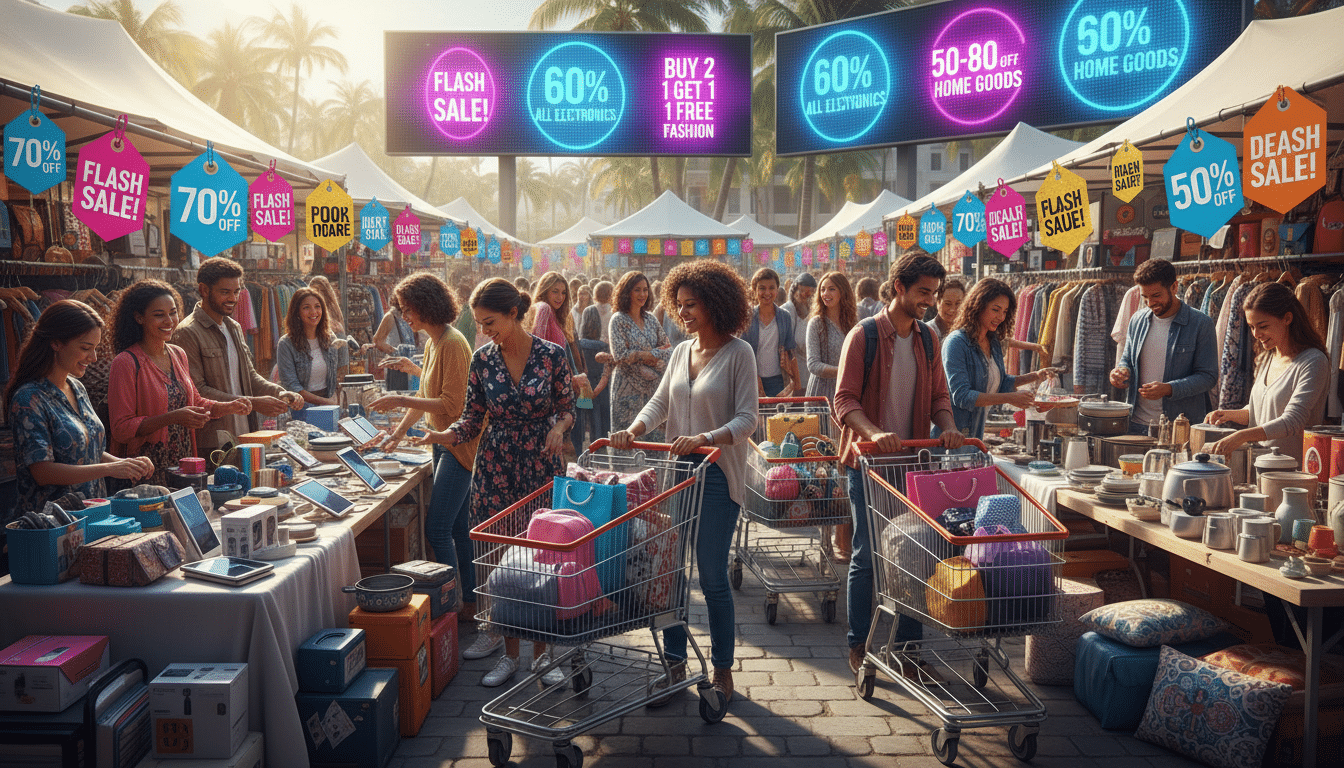
Shein started in China as a small online shop and quickly became a huge name in fast fashion. It offers the latest clothes at super low prices, reaching people through apps, social media, and smart marketing. This story tells how Shein became a go-to for young people in the U.S., Europe, and Australia looking for affordable style.
We aim to give a detailed look at Shein and tackle the big question: What Is Shein? Inside the Fast Fashion Giant. We’ll cover how Shein grew so fast, its business model, and how it keeps bringing out tons of new styles all the time.
Anúncios
This article will also cover the tough issues Shein faces, like hurting the environment, its workers, and copying designs. Plus, we share advice for U.S. buyers on finding the right sizes, returning items, and choosing eco-friendlier options.
Key Takeaways
- Shein is a global, China-born online clothing retailer focused on low-priced, trend-led fashion.
- The company scaled through mobile apps, social media, and mass catalog updates to reach millions of monthly users.
- Shein’s fast-fashion model relies on rapid design-to-shelf cycles and data-driven inventory management.
- The brand faces scrutiny over environmental and labor issues, which the article will explore in detail.
- Later sections offer practical tips for U.S. shoppers on quality, sizing, shipping, and more sustainable alternatives.
What Is Shein? Inside the Fast Fashion Giant
Shein transformed from a modest start to a major online retailer in less than 20 years. It’s a tale of rapid changes, focusing on online strategies and quick trend adoption. Starting with a specific range of products, it now offers a huge, ever-updating array of items.
Origins and rapid rise to global popularity
Shein began in China, with its early days tied to e-commerce pioneers in Ningbo and Guangdong. Initially, it sold special items like wedding dresses before moving to broader fashion offerings.
The brand quickly gained fame by focusing on its app, using social media, and offering big discounts. TikTok and Instagram influencers also played a big role in introducing it to shoppers in the U.S. and Europe.
Business model and e-commerce strategy
Shein’s strategy involves a full control model and using data to stay ahead. It quickly turns designs into products, catching new trends early.
Its pricing strategy is about making a little bit on many sales, helped by flash sales and special app features. There’s also a marketplace for other sellers to offer more without the risk.
Target audience and product categories
Shein mainly targets Gen Z and younger Millennials seeking trendy, affordable fashion. The app, ads, and product variety are designed to appeal directly to them.
Its range covers everything from women’s and men’s clothes to kids’, accessories, beauty, and home products. This wide variety helps bring customers back and encourages them to buy different types of products.
How Shein’s Fast Fashion Model Works: Supply Chain and Production
Shein’s process is super fast, from seeing trends to making them available online. The company looks at what people like on social media and quickly creates new styles. This quick movement from idea to product keeps their offerings fresh and on-trend.
Design-to-shelf speed and micro-trends
Shein makes small amounts of new styles to see what people like. If something gets popular on TikTok or Instagram, they make similar items quickly. This strategy focuses on short-lived trends that grab people’s attention right away.
Their fast-changing stock encourages shoppers to buy quickly. This keeps their website full of new items and reviews, which helps them know what to sell.
Manufacturing partners and sourcing practices
Many factories, mainly in China, make Shein’s products. Some of these are owned by Shein, while others are independent suppliers. They all work on tight schedules.
They start with a few items and make more if they sell well. This focus on fast and cheap production influences their material choices and how they work with suppliers.
Inventory management and data-driven decisions
Shein starts with a few pieces of each item, then makes more of the ones that sell. They look at what customers are interested in to decide what to make more of.
This method helps avoid markdowns by focusing on what people want. Even though it cuts down on some waste, the cycle of making and replacing items quickly is still a big part of fast fashion.
Controversies, Sustainability, and Ethical Concerns
Shein is known for its low prices but faces questions about ethics and the environment. It’s important to look at environmental impact, work conditions, and disputes over designs and culture. Here’s a summary of the main issues and what Shein is doing about them.
Environmental impact and waste generation
Shein’s quick fashion leads to lots of textile waste. Critics argue its short-lived clothes, frequent shipping, and single-use packaging harm the planet. They say this increases carbon emissions and waste.
Shein is trying to be better, starting recycling programs and a social responsibility plan. But, outside groups demand tougher goals and clear info from Shein on its materials and recycling efforts.
Labor practices and factory conditions
Reports have highlighted problems at factories making Shein’s goods, like too-long workdays and complex subcontracting. These findings spark discussions on whether Shein treats workers fairly and how well it checks its factories.
Shein shares its rules for suppliers and data from inspections. Yet, there’s a call for checks by outsiders, clearer pay standards, and stronger rules to safeguard workers throughout Shein’s network.
Cultural appropriation and intellectual property disputes
Shein has faced lawsuits over copying designs and using certain images or symbols without permission. These situations show flaws in how Shein reviews products and respects original creators’ rights.
There’s also criticism about Shein using cultural elements wrongly, without giving credit. There are ongoing demands for Shein to check its products more carefully and respect cultural heritage.
Shopping Experience: Pricing, Quality, and Consumer Tips
Shopping on sites like Shein is fast and wallet-friendly. But, you can shop smarter with a few tips. Always read the product details, check the fabric, and start with small orders to test quality.
How to evaluate sizing and garment quality
Shein’s size charts vary, so look at them for each item. Reviews with photos will show how things actually fit. These often tell if you should pick your size, go bigger, or smaller.
Labels telling you what the item is made of are key. Items made from stuff like cotton or linen usually last longer. Watch for review photos and videos to get a sense of the quality before you buy.
When trying new things from Shein, start with something cheap. Focus on feedback from buyers who actually bought the item. These first buys help you understand Shein’s quality.
Returns, shipping, and customer service in the United States
Shipping options in the US vary from slow to quick. Items from far away can take longer to arrive, but local warehouses help. Always check when your items are supposed to arrive.
The return policy at Shein changes depending on where you are and what you buy. Some items, like underwear or final-sale goods, can’t be returned. Keep all your purchase info handy and know the return process.
Getting help from Shein is mostly done online, through chats or forms. How fast they reply can change. If there’s an issue with getting your money back, using your credit card’s protection or PayPal can help.
Ways to shop smarter: sustainability-minded alternatives
To be kinder to the planet, try buying less but of better quality. Consider natural materials and check out second-hand shops online or locally. This approach gives clothes a longer life.
If you shop at Shein, try fixing or changing items instead of throwing them away. Also, donating clothes you don’t wear makes a difference. Paying attention to washing instructions can make clothes last longer, too.
Support companies that are clear about where their goods come from and have certifications like Fair Trade. Making thoughtful choices in how and where we shop can oppose fast fashion and boost sustainable practices.
Conclusion
What Is Shein? It’s a fast fashion giant. Shein grew quickly thanks to its focus on an app-first strategy, quick design updates, and chasing the latest trends with lots of data. Its low prices and vast selection have made it popular among young, trend-savvy buyers in the U.S. and beyond. This summary shows how Shein quickly became a top name in online fashion.
Shein has its good and bad points. You can find affordable, trendy clothes and new items often. But, the quality can vary. Plus, there are concerns about how it affects the environment and workers’ rights. Before buying from Shein, think about the immediate benefits versus the long-term impacts on the planet and people.
To lessen risks, use the size guides and read reviews. Try buying less expensive items first to check their quality. Also, know the return policy well. Mixing in thrifty shopping and items from more transparent, high-quality brands can help too.
For a real shift, we need better checks on suppliers, clear promises about being more eco-friendly, and shoppers making informed choices. If you’re thinking about shopping with Shein, remember this overview. Consider the pros of price and convenience. But also think about the importance of being responsible and choosing where you shop wisely.
Content created with the help of Artificial Intelligence.