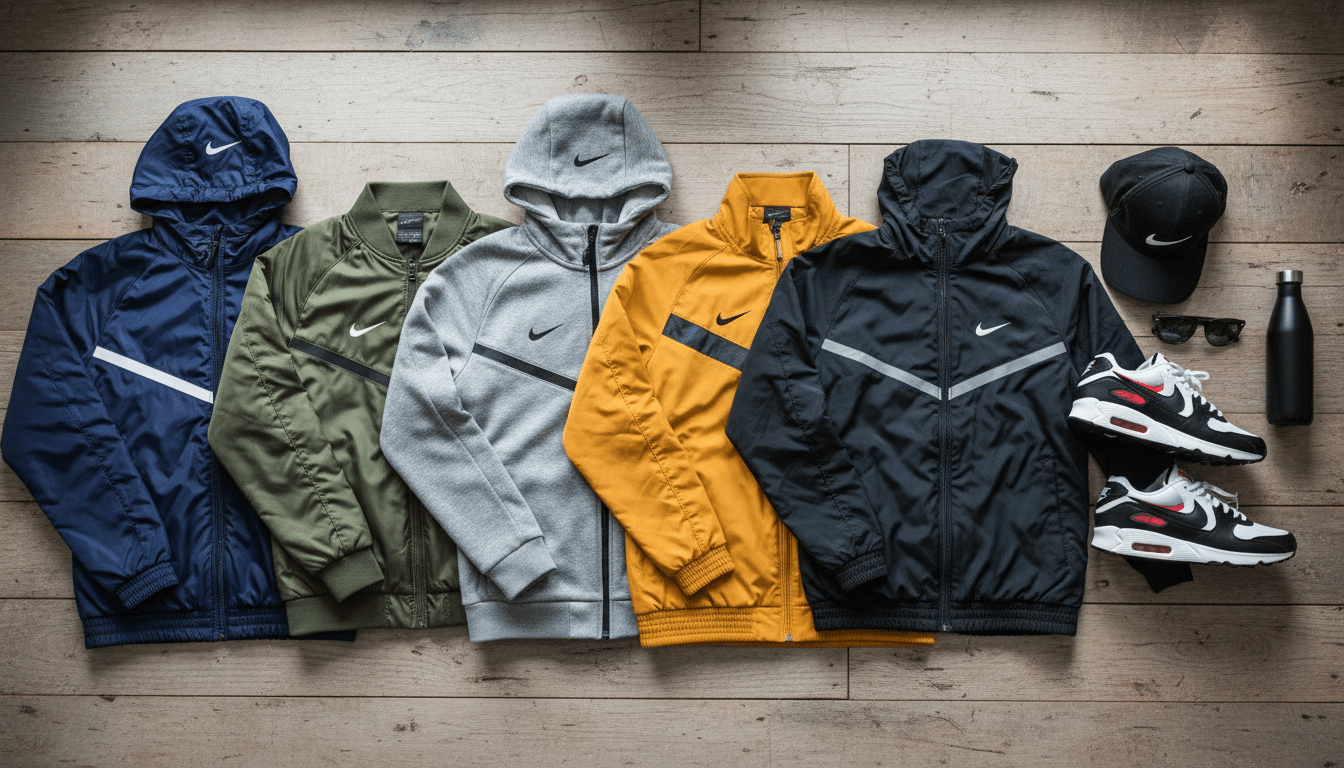
Shein started in 2008 as a fashion retailer from China and quickly grew. They sold cheap items directly to people all over the world. Their success came from lots of products, new items often, and a focus on fast online sales. This strategy helped Shein’s ultra-fast fashion spread across the US and more.
Shein catches trends by watching what people do on their phones and social media. They see what users search, share, and click on Instagram and TikTok. This flow of information is key to Shein’s algorithms. These algorithms decide what products to promote and sell.
Anúncios
At Shein’s heart, data is turned into stylish designs. They use recommendation engines and models to forecast demand. They also have automated systems to quickly create new products. Simply put, Shein uses its large scale, quick actions, and smart algorithms to guess—and sometimes decide—what buyers want next.
Key Takeaways
- Shein grew by offering low prices, huge product variety, and fast online drops.
- Social media and mobile behavior supply rich data for modeling preferences.
- Recommendation systems and forecasting are central to Shein algorithms.
- Algorithmic trend prediction shortens the path from insight to product.
- Fast-fashion personalization lets Shein tailor catalogs to individual shoppers.
Shein’s Ultra-Fast Fashion: How Algorithms Predict Your Style
Shein mixes in-house designers with many supplier connections. They quickly turn designs into products for sale. By doing this, Shein doesn’t have to stock up too much. They prefer making small amounts that meet what people want. This strategy has made Shein a big name worldwide.
Overview of Shein’s business model
Shein has a fast way of creating fashion. It works closely with manufacturers in Asia. They try out new styles on their app first. Then, factories make a few of them. Teams look at sales data to decide what gets made more and what doesn’t. This means Shein always has new items and doesn’t stick to the same things for long.
Defining ultra-fast fashion and why it matters
Ultra-fast fashion means making new styles very quickly. This area of fashion makes lots of different styles fast, thanks to social media and quick buying. This changes how people find new trends. It also changes how companies keep items in stock.
Why algorithms are central to Shein’s growth
Algorithms play a key role at Shein. They use machine learning to pick up on what people like early on. This means they can choose designs, set prices, and figure out where to show items. This helps Shein keep people interested and grow fast in the competitive world of fast fashion.
How Data Drives Trend Identification and Design
Shein and other fast-fashion firms use various signals to predict shopping trends. They analyze site searches, how people browse, conversion rates, customer photos, and social media buzz. This helps them create designs quickly, moving faster than traditional fashion cycles.
Sources of consumer and trend data (searches, social media, browsing)
Site searches and how users navigate reveal what styles and keywords are popular. User reviews and outfit photos show how clothes fit and how they’re worn. Sites like TikTok, Instagram, and Pinterest also provide insights, with influencer posts and trending hashtags offering early hints of what’s coming next.
Real-time trend monitoring and rapid design feedback loops
Fashion analytics platforms use this data all the time. They use machine learning to spot new trends in color, shape, and design quickly. This helps designers create new items swiftly based on these trends.
Rapid feedback comes from testing product images and small launch results. Teams adjust based on what people like, focusing on successful designs. They stop making less popular items.
From data to product: translating signals into garment designs
Technology like computer vision helps turn trend photos into patterns for making clothes. Algorithms suggest details like trims, fabrics, and how much items should cost. This makes starting production safer, with less risk.
Data experts and product managers review returns, comments on fit, and how fast items sell. This helps them refine the details, ensuring clothes match what people want to buy.
Recommendation Engines and Personalized Shopping Experiences
Recommendation engines decide what shoppers see on Shein and other online stores. They use info about users, product details, and visual clues to make shopping fun and personal. Small changes in what’s shown can make the homepage exciting and up-to-date.
How recommendation algorithms work
These algorithms use a mix of methods to recommend items. They look at trends in user behavior and match products to a shopper’s previous interests. This includes what they bought or looked at.
They also use advanced tech to find items that look alike. This way, things ranked higher are more likely to be bought, not just new.
Personalization across the site, app, and marketing channels
Personalized shopping shows up in many ways: on the main page, in categories, and through notifications. The Shein app, for example, suggests deals based on what you’ve shown interest in before. It looks at past buys, browsing, saved items, and even your age or gender.
As users interact with the site, recommendations get better. This ensures that messages and offers really match what each shopper likes.
Examples of tailored recommendations and outfit suggestions
- “Complete the look” carousels that pair a top with matching bottoms and accessories to boost average order value.
- Dynamically reordered search results that place items with higher predicted conversion at the top.
- Individualized coupon offers timed to re-engage users who paused at checkout.
This approach improves the shopping experience. As people shop and give feedback, the algorithms get smarter. Over time, shopping online becomes even more intuitive and fun.
Supply Chain Speed: From Algorithmic Insight to Your Doorstep
Algorithms help turn fashion trends into real products quickly. They let design teams, suppliers, and factories talk easily, sharing updates and orders. This keeps everything moving fast, so new ideas turn into products without delay.
Integration of design, manufacturing, and logistics
At trendy retailers like Shein, design teams send new patterns to factories right away. Manufacturers adjust their plans for small orders and get the goods ready to ship. This quick action is possible because everyone in the process works closely together.
On-demand production and inventory minimization
Producing clothes only when needed helps brands avoid making too much. If a style is popular, more are made; if not, it’s dropped. This way, there’s less waste and lower costs for storing unsold clothes.
How speed amplifies personalization and trend responsiveness
Making clothes quickly means brands can try out unique, personalized styles. They test small batches and increase production if they’re a hit. This way, fashion reaches you faster, matching your style while the trend is still hot.
Privacy, Ethics, and Consumer Impact of Predictive Fashion
Algorithm-driven retail is changing how people shop for clothes. Predictive systems use lots of data to personalize shopping feeds and deals. This brings up big issues about privacy, choice, and how it shapes our shopping habits.
Data privacy concerns and user consent considerations
Retailers use your online actions, where you are, and what you buy to make better suggestions. This has sparked a big debate on privacy and tracking across different services. In the U.S., laws like CCPA and CPRA let people see and remove their data and companies must make it easy to say no.
There’s been a lot of talk about how Shein handles user data. When companies make their privacy settings clear and simple, they earn more trust and face fewer legal troubles.
Ethical questions around hyper-personalization and consumerism
Personalized ads can push you to buy more by highlighting limited-time offers. This raises concerns about fairness and the ethics of making people buy more than they need. Companies need to find a balance between selling more and respecting shoppers’ choices.
Personalized shopping might also keep us from seeing a variety of styles and ideas. Ethical personalization means treating everyone fairly, avoiding unfair prices, and making sure the system isn’t biased against certain groups.
Environmental and social implications of ultra-fast production
Fast fashion uses a lot of resources and leads to more waste and pollution. The environmental toll includes more trash, higher emissions, and stress on water and recycling. Quick changes in fashion also make it tough to use more sustainable methods.
It’s hard to know how workers are treated because of complex supply chains. Brands are being pushed to be more open and to source materials responsibly. Some steps towards this include longer-lasting designs, clear reports, and investing in better recycling.
- Improve consent: Simplify privacy dashboards and honor opt-outs.
- Design ethically: Avoid manipulative countdowns and misleading scarcity claims.
- Reduce waste: Prioritize materials that support reuse and recycling.
Tips for Shoppers: Navigating Personalized Fashion and Making Smart Choices
Personalized shopping is both helpful and tricky. It’s important to have rules to keep your data safe, pick long-lasting pieces, and avoid filling your closet with items you’ll only wear for a season.
How to manage your data and privacy settings for recommendations
Check app permissions on your phone and turn off any access you don’t need, like location or contacts. Inside the Shein app and on your device, adjust settings for ad personalization and tracking to reduce profiling. Remember to clear your browsing history and cookies to limit targeted ads.
When you’re using public Wi‑Fi, use tools like tracker-blocking browser extensions and a trusted VPN. In places where laws like CCPA or CPRA are in effect, ask to see or delete your data. This helps you have better control over what’s recommended to you.
Strategies to evaluate trend pieces vs. wardrobe staples
Before buying, think if the item goes well with at least three things you already have. Choose durable, neutral-colored basics over many trendy, single-use items. Look closely at the materials and seams, and read reviews that include user photos to check fit and quality.
Put things you like on a wishlist and wait 48–72 hours before buying. This pause helps you figure out if something like a floral mini dress is just a fad or if you’ll enjoy it for many seasons.
Ways to shop more sustainably within fast-fashion ecosystems
Buy less but choose well-loved items and repair rather than throw away. Giving away or selling clothes you don’t wear anymore helps prolong their life and cuts down on waste. Look for clean material labels and brands that have take-back or recycling programs.
Look for trendy items on secondhand markets and compare slow-fashion brands for better choices. These steps help you shop fast fashion responsibly while keeping your style up-to-date and sensible.
- Review permissions and ad settings to manage data privacy Shein.
- Use wishlists and wait periods to evaluate trend vs staple choices.
- Repair, resell, or donate to practice shopping tips sustainable fashion.
- Compare brands and favor transparency to pursue responsible fast-fashion shopping.
Conclusion
Shein combines lots of data, smart algorithms, and quick supply chains to create a new way of shopping. This method lets Shein quickly figure out what customers want by paying close attention to their choices. It then quickly makes and delivers these items. This approach is changing how we find and buy clothes, making everything faster and bigger.
The future of fashion will rely on smarter AI and more efficient shipping. Better machine learning and updated inventory systems will make clothes fit what customers want even better. Trend cycles will become even faster. Yet, challenges like laws, more aware customers, and worries about the planet might make companies slow down and be more careful.
For shoppers in the U.S., being responsible with fashion means taking control of your data and thinking about the planet. Use privacy settings and choose better-quality items when you can. See quick, customized offers as treats, not everyday buys. This way, you can still enjoy fashion that’s just for you, but also keep your values and wallet in check.
Content created with the help of Artificial Intelligence.