What item are you looking for at Nike?
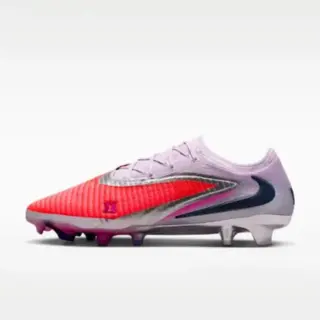

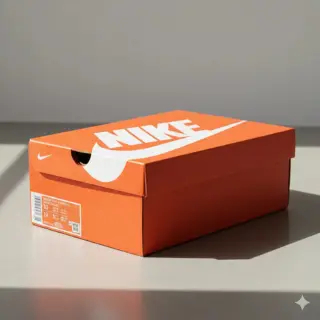
This guide is for soccer players, coaches, and content creators who want to try Nike Soccer Cleats without buying them. When you test cleats, you learn how they feel and perform on different fields. It’s a chance to see if the Nike cleats work well for you on grass, turf, or artificial surfaces.
You’ll find out how to find test programs, sign up, and what Nike seeks in testers. We’ll go over what to expect, how to evaluate the cleats, and how to give valuable feedback. The guide also discusses how to make the most out of testing, whether you decide to buy, keep, or not keep the cleats.
Nike regularly holds testing sessions via Nike Football, the Nike Test Team, and in stores like Nike and Foot Locker. You can also try new models or prototypes at local events or through sponsored clubs.
For the best experience, follow this guide’s step-by-step instructions. It’s designed for both recreational and competitive players interested in testing Nike cleats before buying.
Key Takeaways
- Product test programs let you try Soccer Cleats for real-world fit and performance before buying.
- Watch Nike Football announcements, retail demos, and regional activations for freebie opportunities.
- Prepare a clear tester profile and demo materials to improve your chance to test nike cleats.
- Evaluate traction, comfort, and durability on the surfaces where you play most.
- Good feedback helps brands and can lead to more test opportunities and long-term gear savings.
How to Find Nike Cleats Free Trials and Product Test Programs
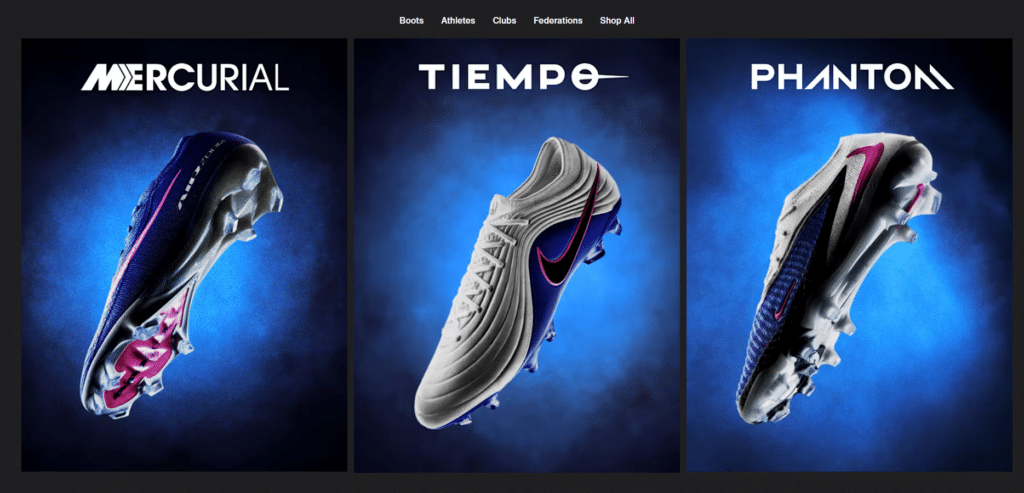
Looking for free Soccer Cleats trials is easier if you know where to start. Check out official channels and local events to find a good match for your needs. This way, you can grab a freebie or join a product test session.
Where brands announce free test programs
Nike shares news on free trials and demo events at Nike.com and the Nike Football hub. Stores like Foot Locker and Dick’s Sporting Goods list demo days on their event calendars. At trade shows and soccer events, look for Nike tents to try new cleats.
Signing up for product test lists and athlete trials
Nike Voice of the Athlete initiative
First, make sure your Nike account is up to date and agree to get emails. When sign-ups for test teams open, be ready with your player info. Also, sign up for store loyalty programs to get invites for demo days from stores that sell Nike cleats.
Using social media and newsletters to catch freebie opportunities
Keep an eye on Nike’s social media and the Nike Football pages. Look for hashtags like #NikeTest and #cleattest, and use location tags. Sign up for newsletters from soccer sites and local clubs for special invites and deals for testing products.
- Set alerts for keywords related to cleat drops and trials.
- Join local Facebook groups and club chats for word-of-mouth invites.
- Use Eventbrite and retailer event pages to discover demo days near you.
Preparing to Apply: What Nike Looks for in Testers
Brands like Nike look for testers who reflect real users. Share your playing habits and what you need from gear in short, clear points. This helps match the right Soccer Cleats with the correct player. Be sure to keep each detail sharp to catch their attention.
Profile tips: playing level, position, and shoe size
Tell Nike your playing level: are you recreational, in high school, college, or playing pro-am? Let them know your position—whether you’re a forward, midfielder, defender, or goalkeeper. Also, share what kind of fields you play on. This information helps teams find cleats that suit your game, like ones for speed, ball control, or safety.
Share your exact shoe size, which foot you use the most, and if you need wide or narrow cleats. Tell if you wear orthotics. Explain if you like a tight fit for faster moves or a loose fit for comfort. Say how many times a week you play to ensure the cleats get real wear.
Building a clear testing pitch and experience summary
Craft a straightforward pitch about why you’re the right choice to test Nike cleats. Mention your soccer background, any past experience testing products, and how good you are at giving detailed feedback. Keep your sentences clear and to the point.
Let them know when you’re free for testing and if you can go to local demos. Mention if you’re good at writing or making videos and how you prefer to communicate. Sharing this helps Nike’s team manage the test smoothly.
How photos, videos, and social proof improve your chances
Include clear pictures of your feet in your current cleats and brief videos showing you in action. Pick videos that display quick moves, sprints, and your interaction with the ball. This helps the review team understand your activity level and cleat needs.
Link your soccer-focused social media, YouTube, or blogs. It’s less about how many followers you have and more about real interaction and the value of your posts. Include recommendations from coaches or club leaders to increase your chances of getting selected.
What to Expect During a Nike Football Product Test
Being part of a Nike football gear test is easy if you know the steps. First, you’ll receive a confirmation email, then we’ll check your size, and you’ll be notified when to expect your gear. It’s important to follow the deadlines for feedback and understand all instructions.
Typical timelines and trial period lengths
Trial periods for product testing can differ. Some might last just one session, while others could extend from one to four weeks. Longer periods are common for testing new Soccer Cleats, sometimes taking two to six weeks.
Short tests look at the immediate feel and traction of the gear. Longer tests check how well the product holds up and performs. Make sure to plan so you don’t miss any feedback deadlines.
Common testing requirements and feedback forms
Companies want detailed feedback on how their products perform. They’ll ask about how the gear fits, feels, and functions during play. Expect to give ratings and detailed comments on your experience.
You might need to keep logs of your play, noting where and how long you played, and any issues like blisters. If testing not yet released cleats, a non-disclosure agreement (NDA) might be part of the deal. Always read the legal details closely before you agree.
Handling shipping, returns, and product care during tests
Shipping for the test gear is usually free in the US. Make sure to check for tracking details and if you need to sign for your package. Also, see if you need to keep the packaging for any returns.
Care for the gear as the manufacturer suggests. Don’t make any changes to the shoes, like adding studs, unless you get permission. At the end of some tests, you might get to keep your cleats, but others may want them back in good condition.
Testing Criteria: How to Evaluate Performance and Comfort
Before you test, make a clear list of things to check. This makes every test meaningful. Focus on short tests that look at certain moves. This shows how well a pair works in real games. Keep an eye on how they fit, grip, and last over time to give useful feedback.
Fit and sizing
- During warm-ups and sprints, see how well they fit around the heel, midfoot, and toes.
- Check for any sliding when speeding up and if turning causes discomfort or blisters.
- See if they’re longer or narrower than your usual shoes by comparing insole lengths.
Field checks for in-game fit
- Run, change direction, jump, and land to find any issues like blisters or shifting.
- Test them in both short and long sessions to see if they stay snug.
Traction and stability
- Evaluate how the cleats grip on different surfaces, like grass or turf, during starts and stops.
- See how they handle side movements and if they’re steady during plays.
- Compare how they perform in wet and dry conditions to check for slipping or good grip.
Durability assessment
- Look for any wear on materials like synthetic, Flyknit, or leather after many uses.
- Keep an eye on sole and stud wear, midsole compression, and any separation.
- Note changes in weight and structure over time to see when they start to wear out.
Keep your notes short and consistent after testing. This helps you fairly compare different pairs. You can clearly share why some Soccer Cleats did well or didn’t meet expectations in terms of grip and how long they lasted.
Reviewing and Reporting Your Product Test Results
Begin your report with a clear verdict in one line. This tells brands and players what they can expect. Include a concise scorecard evaluating fit, comfort, traction, durability, and the ball’s feel. Also, add a short log of your usage, noting dates, types of use, and surfaces tested on.
Structuring useful feedback
- Summary: one-line verdict matching your review’s tone.
- Detailed scores: numeric or star ratings for key aspects.
- Usage log: entries like “3/12 — turf practice; 3/14 — grass match.”
- Pros and cons: direct bullets with practical advice.
Be precise in describing sensations. Don’t just say “comfortable.” Instead, specify like “the cushioning in the forefoot eased pressure during sprints.” Mention if the sizing was off, noting both your usual and tested sizes. Advise which players would benefit most from the features of the Nike cleats.
Creating photos and video clips
- Take close-up shots of the cleat’s tongue, heel, and studs in good lighting.
- Make short videos demonstrating acceleration, turning, and stopping to highlight traction and stability.
- Mark your submission with timestamps to highlight key moments.
- Show before-and-after pictures to discuss durability based on wear and damage.
Ensure your video is steady and properly framed. Use slow-motion carefully, mainly to showcase how the studs interact with the ground. Including a clip of hitting the ball helps show how it feels and responds upon contact.
Balancing honesty with constructive suggestions
- Clearly state any issues, then discuss how they affect play and suggest improvements.
- View negatives as chances for improvement, like adjusting the cleat’s design.
- Remember to mention if you participated in testing and received items for free when posting publicly.
- Always respect any NDA or embargo agreements concerning unreleased models.
Maintain a helpful and straightforward tone to earn your readers’ trust. A thorough product test report aids Nike Football in enhancing their cleats. It also guides players in choosing the best Soccer Cleats for their game.
Maximizing Value from Free Nike Cleats and Freebie Experiences
Trying out free soccer cleats can change your shopping habits. Keep notes on their comfort, how they stick to the ground, and how they hold up over time. This helps decide if Nike cleats are right for you in the long haul.
Choose cleats that fit your role on the field and how you play. Forwards might want something light for fast moves. Midfielders look for a mix of feel and support. Defenders need extra stability. Think about upkeep, how often they’ll need replacing, and their value if you resell them before deciding on a free pair versus buying.
Talk about your findings to gain trust and help others. Write a brief review mentioning Soccer Cleats and nike football. Use short videos on YouTube or Instagram to show how they perform. You could also show them off during team practice for more opinions.
Attending demo days and store events lets you test more widely. Get feedback from coaches and team leaders. This combined take can sway decisions for the whole team.
After testing, choose to keep them, send them back, or get a better model. Keep them if they meet your expectations. Return them if needed or if they don’t fit well. Go for an upgrade if a higher-end cleat suits your competitive needs better.
List your final thoughts on a brief checklist. Note how they fit, last, and perform, along with desired changes. This checklist makes a freebie a valuable resource for future choices and for coaches counting on reliable gear.
Conclusion
Looking for free soccer cleats? Start by following Nike and their partners. Join local soccer clubs and sign up for their newsletters. Spot a product test for Nike cleats? Apply by listing your play level, position, and shoe size clearly. A strong application also has a straightforward testing pitch and recent photos or clips.
During a Nike football test, you’ll have specific trial periods and get shipping info. You’ll also receive forms for feedback. Keep track of how the cleats fit, their grip, durability, and how well they perform on different surfaces. Use simple photos and short videos to show how the cleats look and wear over time.
Always report back honestly and with helpful details. Brands and your fellow players depend on your feedback. Make sure to follow all return and care guidelines to keep testing gear. Your test results can help you choose the right gear later. Plus, you can share what you learn with your team or online.
Get your profile updated, sign up for notifications, and stay involved in soccer communities online and in your area. If you sign up, stay active, and show up, you might just get to test Nike soccer cleats for free. This helps you make better choices for your soccer gear, whether you’re on the field or off.
Content created with the help of Artificial Intelligence.