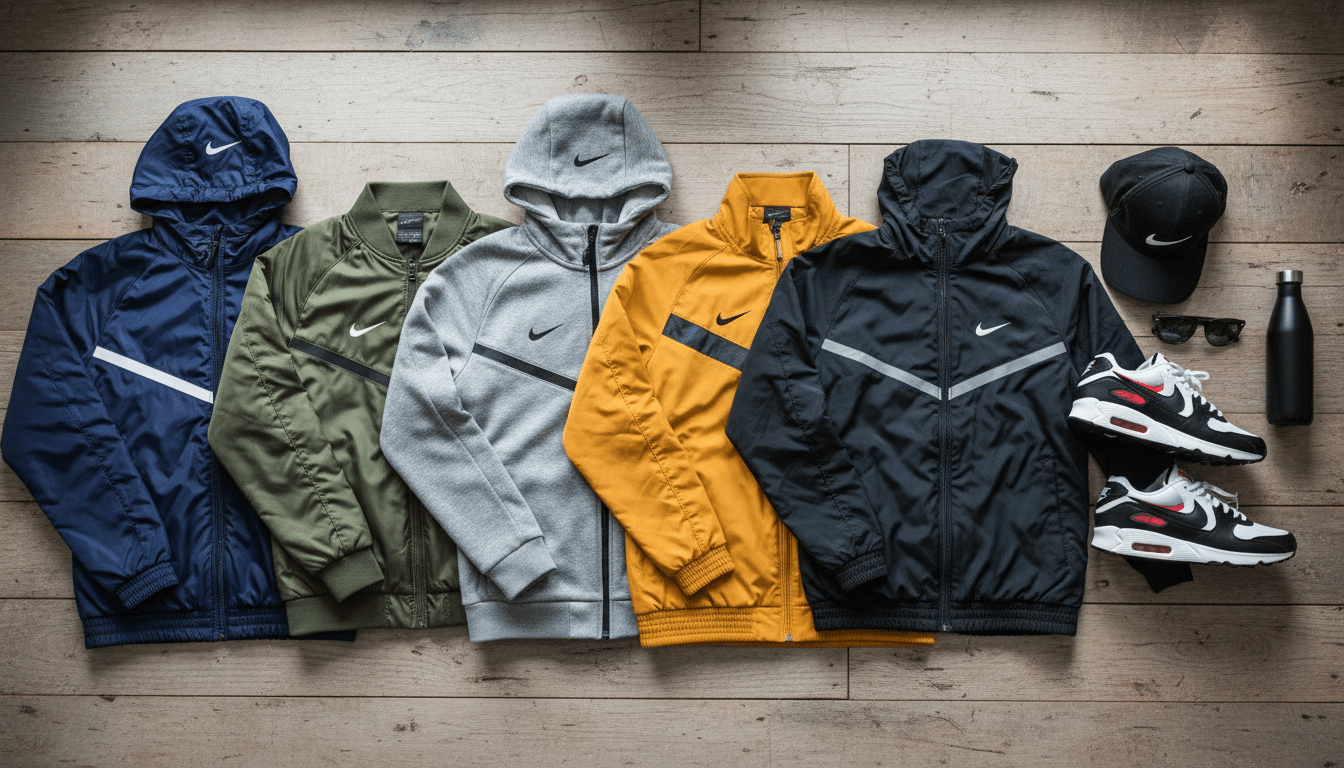
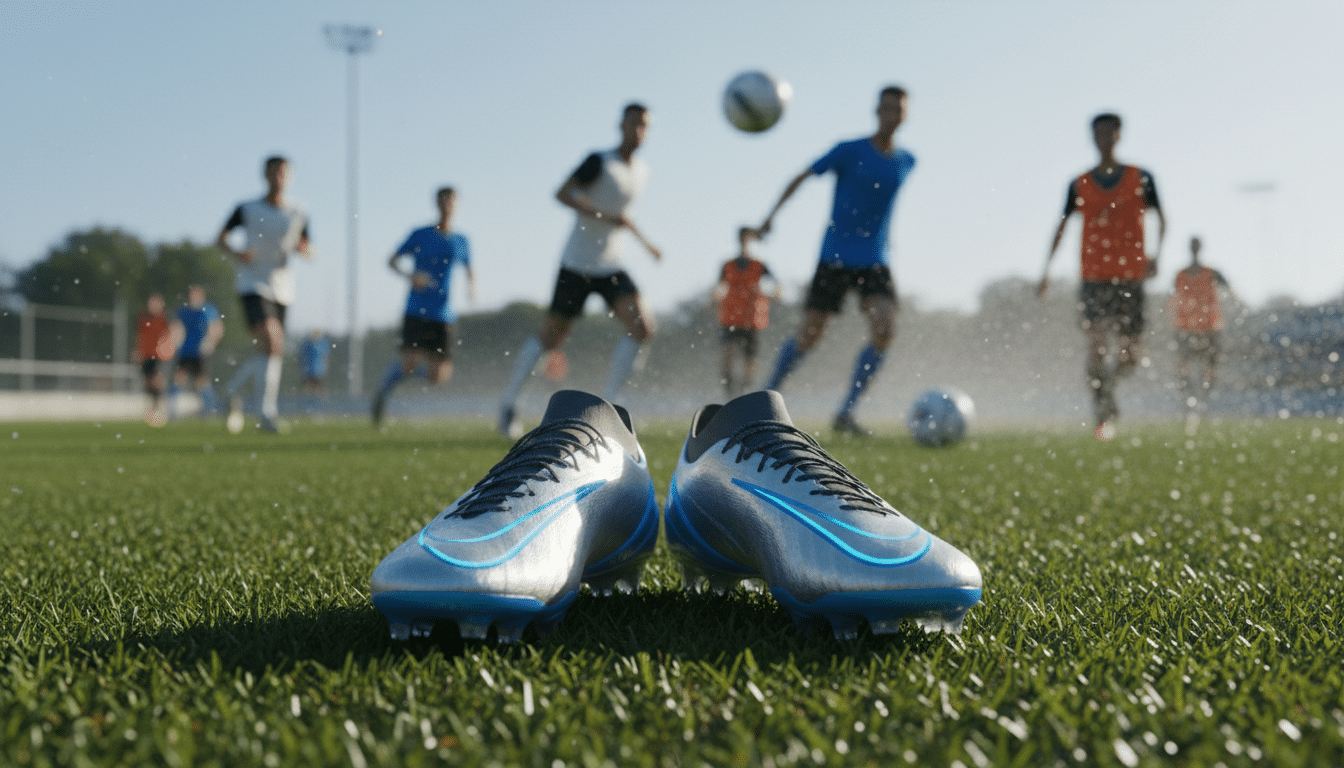
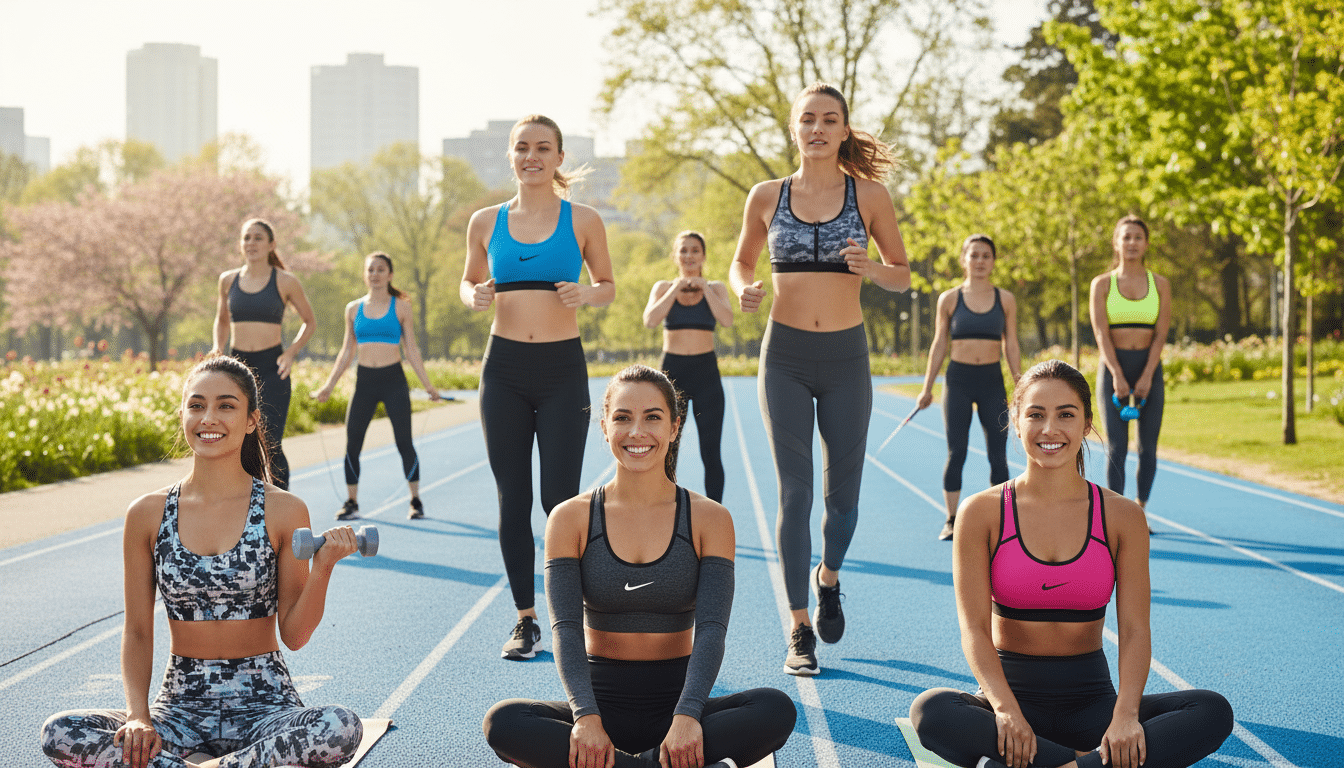
What item are you looking for at Nike?
This article is here to guide players to the top Nike Basketball Shoes. We aim to pick and suggest Nike basketball models that give a great mix of performance, comfort, and value for playing on the court.
We cater to recreational players, competitive amateurs, high school and college athletes, and sneaker fans. Our guide focuses on traction, cushioning, fit, and durability. It’s for players who want quick moves, strong support for defense, or all-around basketball shoes.
You’ll see a clear test method for shoes and drills that check for grip and how well they move. We sort the best models based on how you play and your position, look at the materials, soles, and cushion tech, and offer advice on fit and size. Tips for shopping, price comparisons, and info on Nike’s NBA partnerships and warranty are also included.
Our reviews are hands-on and follow a strict method. We use consistent tests and actual playing time to judge both high-end and budget shoes. This gives our recommendations based on both real use and detailed analysis. This method also helps make this page more relevant to searches about Basketball Shoes.
Key Takeaways
- We test nike basketball shoes using hands-on, standardized footwear test protocols and on-court drills.
- Recommendations target recreational players, competitive amateurs, and high school and college athletes.
- Article covers traction, cushioning, fit, materials, durability, and NBA gear collaborations.
- Top models are organized by playing style: guards, forwards, versatile two-way players, and lightweight options.
- Shopping tips and pricing guidance compare premium models with budget-friendly bball shoes for best value.
How We Test Nike Basketball Shoes for Performance and Comfort
We mix lab results with real basketball game tests. This way, we understand both the tech specs and how the shoes feel in action. We measure everything carefully, do the same tests, and listen to what players say. This approach keeps our results reliable and useful.
Testing protocol overview for footwear test
First, we check the shoe’s specs like weight, how thick the sole is, and materials. We also see how well the shoe absorbs impact. This is done using special equipment.
We make sure every test is fair by using the same court and warm-up for all shoes. We also lace them up the same way every time. There’s a checklist to make sure nothing changes the results.
On-court drills used to evaluate traction and responsiveness
Our drills test how shoes perform in basketball moves. We look at how well shoes grip during quick moves and sprints. Drills help us see how responsive and supportive the shoes are on the court.
We note if players slip and how shoes handle dust on the court. It’s also important to see if they work as well outside as they do in the gym. This tells us how good the shoes are in real games.
Cushioning and impact tests for game situations
We drop weights and test jumps to see how much the shoes help you bounce back and protect your feet. Playing real basketball moves helps us test cushioning. Players tell us if their feet hurt or get tired after playing.
Nike’s Zoom, React, and Air Max technologies get checked for how well they respond and cushion impacts. Feedback is essential to see if the shoes really help during intense play.
Fit, break-in period, and comfort scoring
We look at how the shoe fits in every area and check immediate comfort. Players wear the shoes a few times to see how they adjust. New shoes often need a little time to become more comfortable, especially the upper and padding.
Nike Voice of the Athlete initiative
We combine what we measure with what players think to score the shoes. We grade the initial feel, comfort after breaking in, and how they feel over time. This tells you what to expect from wearing the shoes long-term.
Top Nike Models to Consider for Different Playing Styles
Choosing the right shoes is crucial, and it’s not just about the brand. Our guide helps match your playing style with the perfect shoe. Find the ideal model for you by reading about each one.
Best shoes for guards: speed and low-profile traction
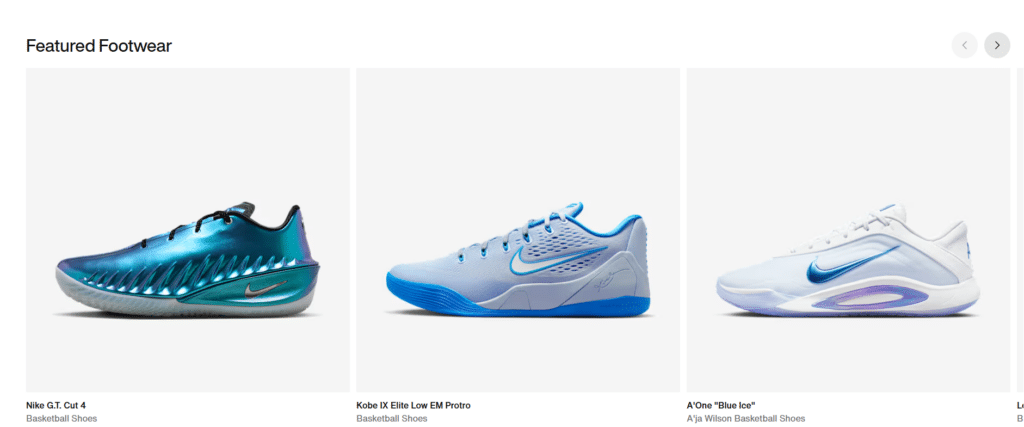
Guards need shoes with thin cushioning for better court feel. They also need sticky soles for quick moves and a tight fit for fast direction changes. The Nike Kobe, Paul George (PG), and KD lines meet these needs well.
These shoes are great for guards who need to move fast and shoot from mid-range. But they might not cushion your landings as much.
Best shoes for forwards and post players: stability and support
Heavier players need shoes with a solid base and strong midfoot support. Look for options like Nike’s LeBron series or Zoom Soldier that offer these. They’re designed for rough play and frequent contact.
They provide stability and stiffness, ideal for close-range plays and rebound fights. If you want a tight fit, look for shoes with thick soles or built-in support structures.
Versatile models for two-way players
Two-way players require shoes that offer both quick response and protection. A mix of foam and Zoom units for cushioning, along with good traction, works best. Nike has several models that offer a great balance.
These shoes are great for players who switch between offense and defense smoothly. Choose based on your preference for speed or better protection during play.
Lightweight options for quick lateral movement
For quick footwork, light basketball shoes are ideal. They use knit or mesh and lightweight foam soles. This combination helps guards move swiftly.
Nike’s lightweight models are perfect for players who value agility over everything. Just remember, these shoes might offer less support and durability for the sake of speed.
Basketball Shoes
Choosing the right basketball shoes is crucial when you play on a hardwood court. This guide explains the key differences between basketball shoes and regular sneakers. It also introduces important Nike technologies and gives tips on selecting shoes based on your playing position and style.
Why basketball shoes differ from regular sneakers
Basketball shoes are made to support your ankles, offer better traction in all directions, and guard against impacts. In contrast, everyday sneakers focus more on looking good and feeling comfortable. Basketball shoes have features for stability during quick movements and jumps, unlike street shoes.
The soles and tread patterns on basketball shoes are designed for performance indoors. They use a softer rubber for better grip during sudden stops. Whereas, regular sneakers have harder soles for everyday use but these don’t last long on basketball courts. Players in leagues have strict safety and performance standards, which is why basketball shoes are specially designed to meet these needs.
Key tech features in Nike bball shoes
Nike’s basketball shoes come with Zoom Air units for quick response. React foam provides a balance of soft cushioning and energy bounce-back. And, Air Max provides extra protection for heavy impacts.
For the upper part of the shoe, Nike uses Flyknit or engineered mesh for cool, flexible support. Flywire cables ensure a snug fit during rapid movements. Plus, TPU plates and heel support keep your foot stable.
The design of the outsole is important too. Herringbone patterns offer good grip on clean courts. For playing on dusty surfaces, multidirectional patterns are best if kept clean. The shoe’s fit is enhanced by the type of lacing, the height of the ankle collar, and supportive heel counters.
Choosing the right shoe for your position and playstyle
Guards need shoes that allow them to feel the court and move rapidly. Light shoes with low or mid ankle support work best. Forwards should look for shoes that provide a mix of stability and cushioning for dynamic plays.
Centers need shoes that are built to last, offer strong ankle support, and have extra cushioning for jumps. Players who do a bit of everything should find shoes that offer a good mix of lightness, traction, and protection.
Consider your body type and how you move in the game when choosing your shoes. Prioritize cushioning if you’re often jumping. Go for excellent traction and secure fit if you do a lot of quick stops and starts. Also, think about the court surface and how often you play. This will help you pick basketball shoes that will satisfy you as you rock your nba gear.
Durability, Materials, and Build Quality of Nike Shoes
For players active on the court each week, durability is key. We’ll explore how the build and materials of Nike shoes affect their longevity and performance. Knowing these facts can help you choose the right shoes for indoor, outdoor, or daily workouts.
Upper materials: breathability vs. support
Flyknit and other knits provide breathability and snug fit. They make shoes lighter and increase air flow, keeping feet cool during intense play.
Synthetic leather and overlays sacrifice some breathability for added structure and scratch resistance. These materials are tough against rough play and direct hits.
Features like thermoplastic overlays and reinforced areas protect shoes from wear and tear. They help shoes last longer without restricting movement.
Outsole compounds and wear patterns
Nike opts for sticky gum rubber for unbeatable indoor traction. For outdoors, carbon rubber mixes resist wear better. Using blown rubber in the front keeps shoes light yet responsive.
Outsoles often wear out at the heel and outer front, especially on tough surfaces. Shoes with flat treads wear down quicker, while those with deep grooves hide damage better.
- Washing soles keeps grip strong.
- Wearing different shoes evens out the usage on soles.
- Pick shoes with outsoles meant for hard surfaces if you play on them a lot.
Stitching, overlays, and long-term durability
When looking at a shoe’s build, check seam reinforcement in high-stress areas. Bonded overlays lower weight, and well-done stitching on overlays can increase longevity.
How a shoe’s midsole is glued impacts its durability with frequent bending. The midsole’s cushioning changes over time, so look out for decreased support or the sole wearing through.
- Look for early signs of seams or glue failing.
- Get new shoes if the midsole feels less supportive or the sole’s grip worsens.
- Inquire about warranties or repairs from the place you bought them, if possible.
Fit, Sizing Tips, and Where to Try Nike Basketball Shoes
Finding the right fit for Nike basketball shoes can be tricky. Models vary a lot. Some fit just right, others are tight, and each signature line fits differently. Before buying, measure your foot. This helps you understand how Nike designs fit during a game.
How Nike sizing typically runs and measuring your foot
To measure your foot, stand on paper and trace it. Then, measure the length and width. Do this wearing the socks you’ll play in. Compare your measurements with Nike’s size chart. If your foot is wide or swells during games, think about getting a size up.
The shoe material matters too. Knitted uppers stretch, but synthetic leather doesn’t. Keep this in mind when choosing your size.
What to look for during in-store testing and free trial policies
Trying Nike basketball shoes in a store is smart. Make sure they’re comfy and fit well with no toe pinches. During your test, run, shuffle, and jump to check for toe space and if your heel stays put.
Find out about free trial periods and return policies. Nike and other big stores often let you return shoes after a short trial. Always check the store’s rules before testing shoes so you know your options.
Online shopping tips and return considerations
Always buy from Nike or trusted sellers to avoid fake shoes and make returns easy. Pay attention to the return period and keep the box. Try the shoes on a clean floor to keep them returnable.
Reading reviews can help you gauge the fit and feel. When unsure, order two sizes and keep the better fit. This tip helps you find the right Nike basketball shoes without too much hassle.
Value, Pricing, and Best Places to Buy Nike Basketball Shoes
Choosing where to buy basketball shoes depends on your needs. Some players look for top performance in every game. Others seek reliable grip for weekend games. Knowing what value basketball shoes offer helps you find the right balance between cost, performance, and durability.
Comparing premium models vs. budget-friendly options
Premium models come with advanced features like Zoom units and React foam. They also have high-quality materials and tech from stars like LeBron and Kyrie. These shoes are designed for the best response, fit, and energy return for regular players.
Budget-friendly shoes have simpler tech, durable designs, and solid soles. They often include older signature models or basic shoes that work well for casual games and practice.
Here’s a tip: go for premium if you play a lot and need the best protection and response. Choose budget or older models if you play less often, want good value, or are trying out a new playing style.
Seasonal sales, outlet finds, and authorized retailers
Look out for sales during Black Friday, end-of-season, back-to-school, and Prime Day for big savings. Nike outlets and retail clearance sections are great for finding discounts on older or unique shoe designs.
Shopping with authorized sellers like Nike.com and Foot Locker ensures you avoid fakes and keep return options. Specialized basketball stores also provide expert fitting advice.
Signing up for brand newsletters and alerts is helpful for catching restocks and special releases, like those tied to the NBA.
Evaluating warranty, authenticity, and NBA gear collaborations
Checking for authenticity is critical. Verify SKU numbers, and keep an eye on box labels and receipts. This helps avoid fake products, so it’s best to buy from known retailers.
Warranties from Nike and major stores usually cover defects but not wear from play. Always read return policies, especially when buying online.
NBA gear and limited edition shoes might be collectibles with high resale value. However, they might not be the best fit or comfort for some players. Consider their resale value versus how well they meet your playing needs.
Conclusion
Our tests on footwear started with checking how shoes perform on the court. We looked at how well they gripped the floor, how they softened impacts, and how comfortable they felt. This helped us pick the top Nike shoes for different basketball roles.
Find a shoe that fits how you play. Guards might like shoes that are low and fast. Players in the post need shoes that offer more support. Always test for grip and comfort before you worry about how they look.
To make a smart choice, get your feet measured and test shoes by moving around in them at the store. You can also order shoes, try them at home, and return them if they don’t fit just right. This way, you’ll be sure they’re perfect for you.
Buy from trusted stores, keep an eye out for sales, and consider models from last year to save money. Remember, the best choices are durable, made from quality materials, and comfy for a long time. Think about how well they perform, how they fit, and their cost.
Get ready to play your best on the court. Follow this advice to understand the tests and pick the best Nike basketball shoes. Look at this as your guide for finding the right shoes that help you shine in the game.
Content created with the help of Artificial Intelligence.