What item are you looking for at Nike?
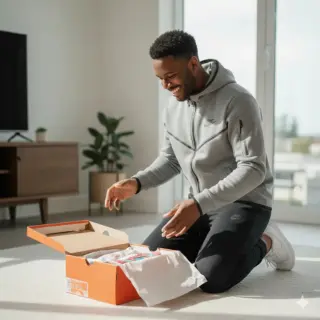
Want to get free Nike shoes legally? This guide shows you how. It covers ways to get Nike running shoes in through testing, giveaways, contests, and more.
Nike and other companies like Foot Locker use these programs for feedback and to connect with the community. They want to make their products better and share real user experiences.
Anúncios
Getting free shoes means you have to do a few things. You might have to write reviews, post on social media, or send the shoes back. There are also limits on sizes and where you can live.
This article will tell you where to find these opportunities. It will teach you how to sign up for testing, pick the best shoes, and enter contests. You’ll learn how to stay safe and avoid scams, too. Keep trying, be yourself, and show you’re a serious runner to increase your chances.
Key Takeaways
- Product testing and giveaways are common ways to get free shoes while helping brands improve designs.
- Nike and partners like Foot Locker and REI seek runners for feedback and social proof.
- Free shoes usually require reviews, posts, or surveys and may have size or regional limits.
- Prepare a clear tester profile and demonstrate real running experience to stand out.
- Follow safety checks to verify legitimacy and protect personal information.
Where to find Nike product testing and giveaway opportunities
Looking for ways to try out new Nike gear or score free shoes? It’s all about knowing where to look. You should start by joining official programs and keeping active on social media. Doing so will make it easier for you to spot chances to become a product tester or win prizes.
Official Nike programs and ambassador sign-ups
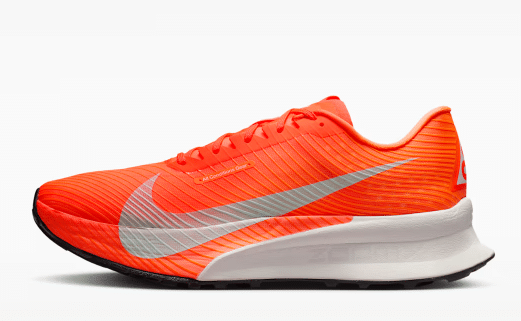
Nike’s website and member area often offer chances to test new products. Using the Nike Run Club app helps too, as it links your running data with opportunities. If you’re a coach or join a Nike run club, your odds of getting noticed go up.
- Create and fill out a Nike account with your correct sizes, sports history, and photos.
- Link your Nike Run Club data and say yes to emails to get alerts for tests.
- Show up at Nike events and help at local races to connect with people from Nike.
Nike Voice of the Athlete initiative
Retailer and brand partner testing initiatives
Big stores have programs that let you try shoes early. Shops like Foot Locker and Fleet Feet are always on the lookout for testers. Sometimes, they team up with brands for special tests or studies.
- Sign up for store loyalty programs and newsletters to hear about testing opportunities.
- Stop by your local running shop to ask about testing upcoming shoe models.
- Keep an eye out for testing offers from outside groups, like magazines or labs.
Social media giveaways and how to spot legitimate contests
Instagram and Twitter are full of giveaway contests for free Nike products. To enter, you usually need to follow the brand, tag friends, or share posts. Just make sure the giveaways are real and safe to enter.
- Trust giveaways from verified accounts and those that link back to real Nike pages.
- Stay away from contests that ask for money or personal info. Those are scams.
- Use Google Alerts and social media notifications to find giveaways with hashtags like #NikeGiveaway.
Tips for qualifying for free shoes through product testing
To get chosen for shoe testing, make your tester profile clear and complete. Show you’re a dependable reviewer. Mention you run often and can give helpful feedback. Keep it short, using clear facts.
Creating a compelling tester profile
Include your full name, address, phone number, and exact shoe size. Share your training details, pace, how much you run weekly, and where you like to run. This helps brands know how you’ll use their products.
Add data from Strava, Nike Run Club, or Garmin to show you’re active. If possible, add pictures or videos that show how you run or how your shoes wear down.
Write a short bio about your running journey, any leadership roles like club leader, and any review experience you have. Keep a folder ready with your reviews and videos to share when asked.
How to demonstrate running experience and shoe preferences
Tell them if your foot is neutral or prone to pronation, and your injury history. List the shoe models you like and what kind of shoe feel you prefer.
Show commitment with data like how much you run, race results, or training plans. Mention the race distances you do, big or small.
If you’ve had your gait analyzed, include that. It could help your application for Nike or another brand’s testing program.
What testing companies look for in applicants
Companies want a wide range of people, covering different ages, genders, skills, foot types, and running surfaces. Being reliable is key. Testers need to fill out surveys completely and on time, offering useful insight.
While a large social media following is good, having real engagement is better. Brands prefer working with micro-influencers who have genuine followers when they want shared reviews.
Being honest and thorough can get you invited back. Giving clear, detailed feedback can lead to more free shoes in the future.
Running Shoes for runners: choosing the right model to test
Choosing the right running shoe for a test improves your credibility. It shows you understand your needs and can provide valuable feedback. When applying for free shoes or product trials, describe your running habits. Then, pick models that match them.
Understanding types of running shoes (neutral, stability, trail)
Neutral shoes match a neutral gait. They offer cushioning and responsiveness. For example, Nike Pegasus is a popular neutral daily trainer. Mention features like cushioning and energy return when discussing neutral shoes.
Stability shoes are for runners needing extra support due to overpronation. They may have a medial post or firmer arch foam. Nike Structure is a good example. Talk about the shoe’s stability features and their effect on your run.
Trail shoes provide grip, protection, and durability for off-road running. The Nike Wildhorse and Terra Kiger are examples. Include details like the outsole pattern and protective features when asking for a trail shoe.
Matching shoe features to your running habits
Consider your mileage, terrain, and pace. High-mileage runners need shoes with durable cushioning. For fast runs, lightweight and responsive shoes are best, like those with ZoomX.
In your applications, include specific details: cushioning depth, shoe responsiveness, and how it fits. These specifics help match you with the best shoes for your runs.
Getting a gait analysis at a specialty running store can also be helpful. A brief report from the store will strengthen your application to test nike running models or other brands.
How selecting the right model increases your chances of being chosen
Testing programs look for a good fit between the runner and the shoe. A trail runner with documented trail runs is more likely to be chosen for a trail shoe test.
Be detailed about what you want to test, like midsole wear over 100 miles or grip on slippery rocks. Being specific will make your feedback more valuable and increase your chance of getting free shoes.
Linking your application to the shoe’s intended use and your recent running data shows you’re a serious tester. This approach makes you more attractive to brands looking for reliable feedback on their nike running products or other shoes.
Strategies to win free shoes via contests, reviews, and influencer campaigns
To get free shoes, you need a plan. Use clear strategies, keep creating content, and write truthful reviews. This helps you get noticed by brands that give away and test products like Nike running shoes.
Entering and optimizing contest entries
Read every rule carefully. Make sure you meet all the requirements like hashtags, tags, age, and where you live before submitting. Skipping a step could mean your entry doesn’t count.
- Post eye-catching photos of yourself running or of past shoes that fit the brand’s style.
- Share your posts when lots of people are online and get friends to like or share, especially if the contest looks at engagement.
- Keep track of what you’ve entered with a spreadsheet and save screenshots of confirmations to avoid entering the same contest twice.
Crafting authentic, high-quality reviews to attract brand offers
Write reviews that both brands and buyers find valuable. Start with info about yourself as a runner, the conditions you tested the shoes in, what you noticed, and end with a straightforward recommendation.
- Add photos and short videos to show how the shoes fit, bend, and how they wear down from running.
- Include specific information, like how many miles you run weekly or how the midsole feels, to make your review more believable.
- Put your reviews on stores’ websites, running blogs, YouTube, Strava, and social media. Remember to tag the brands so they can easily find your reviews.
Building a micro-influencer profile that brands notice
Specialize in a specific area: sharing weekly running updates, comparing shoes, or giving training advice helps gain trust. Having engaged followers is more important than having a lot of them.
- Post regularly and interact with your followers. Be sure to answer their comments and start conversations.
- Make a one-page media kit that shows who your audience is, how much they engage, and ideas for content like opening new products or testing them over time.
- Connect with running groups, local stores, and brand representatives at events and runs. This can increase your chances in contests and partnerships.
Safety, legitimacy, and what to watch out for when pursuing free shoes
Getting free shoes can be thrilling. However, it’s important to stay safe and ensure everything is legit. Be aware of scams aimed at runners promising incredible deals. Be cautious and verify everything before giving out personal info or agreeing to anything.
Avoiding scams and protecting personal information
Never share Social Security numbers, bank info, or pay money for a prize. True offers from brands like Nike or trusted stores don’t require fees for test products. Use a separate email for contests and sign-ups to reduce spam. A PO Box can offer more privacy for deliveries.
If asked to sign a contract, look over the details carefully. This includes what you can do with the product, who pays for return shipping, and who is responsible if something goes wrong. Get legal advice if the terms are complicated.
Understanding terms: returns, reviews, and obligations after receiving free shoes
Know what’s expected before you accept any shoes. Test programs might ask for feedback, pictures, or reviews by a certain date. Some might let you keep the shoes, while others need them back. Understand any rules about them using your photos or comments.
Keep track of what you get, as you might need to report it on taxes. Getting items for free could be considered income. It’s wise to check with the IRS or a tax expert if you’re given items of high value.
How to verify a giveaway or product testing program is legitimate
- Cross-check the giveaway on the brand’s official site and verified social channels.
- Search for past winners, tester posts, or reviews that confirm the program’s track record.
- Contact customer service through official Nike Running or retailer channels to confirm details.
Taking these steps will help you safely join contests and product tests. Always keep safety and truth in mind. Look out for scams, and get everything in writing before accepting free shoe offers.
Conclusion
Starting to get free shoes from Nike means knowing where to begin. Sign up for the Nike Run Club and become a Nike Member. Join retailer loyalty programs and check out local running store opportunities. Also, keep an eye on social media for tests and freebies. Making a tester profile and a simple review portfolio can help you get selected for product trials and collaborations.
Choose shoes that fit how you run—like neutral, stability, or trail shoes. Be sure to share why you prefer these in your applications. Giving honest reviews and being active in running groups can increase your chances of getting Nike shoes through testing and contests. Adding contests and micro-influencer efforts can help too.
Make sure everything is legit before trying to get free shoes. Don’t pay for them, protect your info, read all terms, and use official Nike sites. Staying persistent and truly engaging can help. Regular reviews and participation can aid in improving products. Which could result in more free shoes. Start by joining Nike Run Club and a loyalty program, set alerts, and keep your review portfolio handy.
Content created with the help of Artificial Intelligence.